
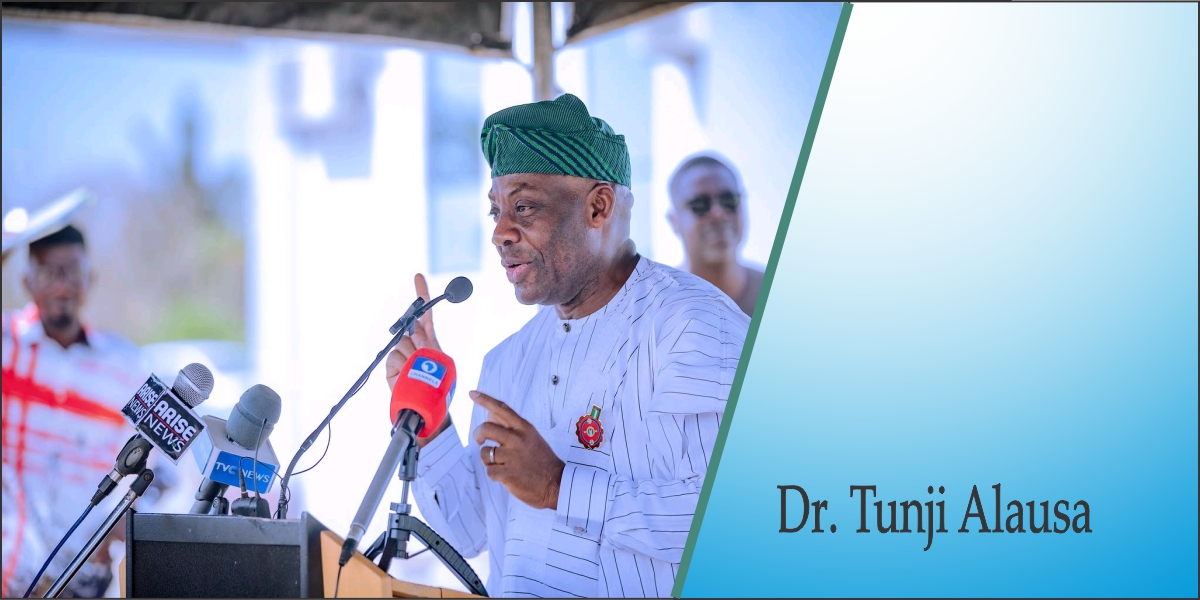
When President Bola Tinubu promised to reform Nigeria, he made it clear that education must be one of the top priorities. Today, all eyes are on Dr. Tunji Alausa, the Minister of Education, to see how he will handle this important assignment. Many Nigerians believe he is serious about the job, especially when compared to some former ministers who were accused of doing little or nothing.
Since his appointment, Alausa has started taking practical steps. He has supported the review of school curricula at primary, secondary, and technical levels. He also tightened the student loan scheme to prevent misuse and directed universities to publish their annual income and expenditure, a move aimed at ensuring transparency. These steps that have been taken by Alausa so far have drawn loud applause from many Nigerians who have, for years, been calling for such actions.
However, the truth is that our education system still has big problems. Reforms like the 6-3-3-4 or 9-3-4 structures did not achieve the expected results. Most students still leave school without the practical skills needed to succeed. Many schools lack sufficient teachers, classrooms, and proper facilities. State and local governments, which are in charge of primary and secondary schools, are struggling. Sadly, the existing weak coordination between them and the federal government exacerbates the matter. As a result of this neglect, which has gone on for decades, many public schools have remained in poor condition, with broken buildings, overcrowded classrooms, and very few learning materials.
For real change to happen, Alausa must first identify the obstacles that stop education workers from doing their jobs well. These problems may include poor funding, lack of vehicles or logistics, or weak cooperation among officials. Once these issues are clear, the government can address them step by step.
The minister has a close working relationship with major stakeholders like the Universal Basic Education Commission (UBEC). Fortunately, the current leadership of UBEC have been aggressive in pushing reforms in schools. Public schools especially need enough qualified teachers, safe classrooms, and modern learning tools. If these things are not in place, no curriculum reform will succeed.
Now, experts have also said that the school curriculum should be updated regularly (not just once in a long while) to match changes in technology and society. Equally important is the training of teachers. Without the right manpower, any other investment is a waste of resources. So, teachers must be trained well, and schools should be equipped with digital tools to improve learning.
If Alausa can stay focused, work with all stakeholders, and ensure accountability, he can help rebuild Nigeria’s education system. The journey will not be easy, but with determination, the sector can finally give Nigerian children the quality education they deserve.

Leave feedback about this