
Four months after its official rollout, EduLab 360, the free digital phonics and literacy programme which was created by Standard Bearers School (SBS) in partnership with the iAfrica Cloud School Foundation, is beginning to reshape how Nigerians access education. Launched on YouTube on August 1, 2025, the initiative is already gaining traction among key stakeholders in the educational sector.
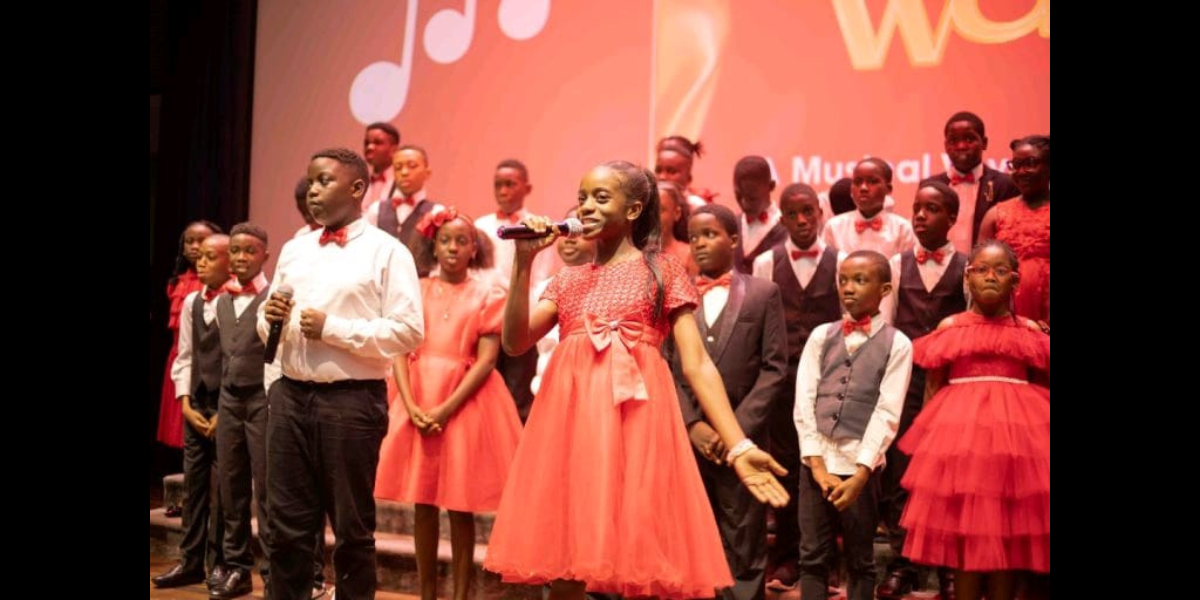
EduLab 360 was first unveiled during Waloyo: The Musical Voyage, an exciting blend of learning and performance hosted at the Alliance Française in Lagos. At the time, SBS founder Modupe Adeyinka-Oni described the project as a “gift to Nigeria,” and four months later, that vision is gradually becoming reality in clusters of learners across the country.
“We started the iAfrica Cloud School Foundation because we believe every Nigerian child deserves quality education,” Adeyinka-Oni said at the launch. “Today, seeing people gather in churches, community halls and even in their homes to learn through EduLab 360 shows what is possible when we invest in our children.”
The programme’s promise is simple but ambitious: within nine months of consistent use, learners, whether children, adults, or second-chance students, should be able to read, write, and communicate confidently. Communities in places like Makoko, Agege, and parts of northern Nigeria have already formed informal learning clusters, using smartphones and laptops to follow the lessons.
“We want to eliminate gatekeepers,” Adeyinka-Oni emphasised. “This is how you empower women. This is how you reduce street begging. Change starts from literacy.”
A strong feature of the project is its inclusiveness. During the unveiling, some of the children who performed, many of them with special needs, demonstrated the school’s belief in creating learning spaces where every child can thrive. “We build children for life,” she reminded the audience.
Education experts say the programme doubles as a valuable teacher-training tool, helping educators model the techniques used by the expert instructors featured in the videos. The Foundation has also begun working on expanding the platform to include numeracy and, eventually, a complete K–12 curriculum.
Although EduLab 360 remains self-funded, the team continues to welcome partnerships from NGOs, individuals, and government agencies. Adeyinka-Oni has repeatedly called on the government to promote the programme, noting that millions of Nigerians already own smartphones but rarely use them for learning.
Looking ahead, the goal remains bold: reduce Nigeria’s illiteracy rate by at least 30 per cent within five years. As the project gains momentum, EduLab 360 is emerging as a quiet but powerful example of how homegrown solutions can drive meaningful change in Nigeria’s education landscape, one learner at a time.




Leave feedback about this