

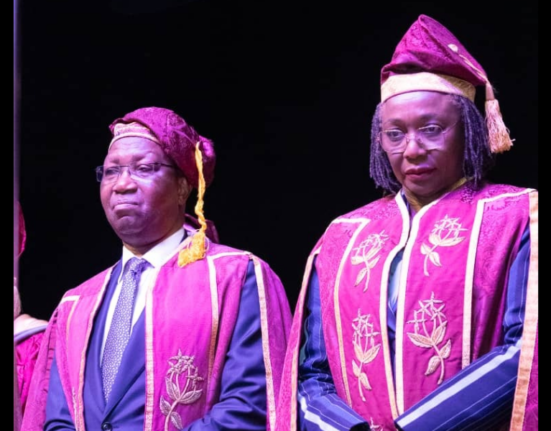
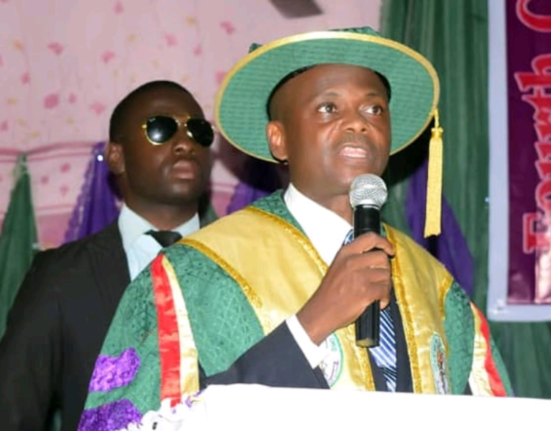
Dr. Tunji Alausa, Education Minister, at the British Council conference
Nigeria’s classrooms are set for a major linguistic shift. The Federal Government has quietly scrapped the use of indigenous languages as a medium of instruction, making English the sole language of teaching from early childhood through to University.
The announcement, made at a British Council conference in Abuja, did not come with much fanfare, but its implications run deep. Education Minister Dr Tunji Alausa defended the move as a necessary step to improve learning outcomes and align with global standards. “Over the years, the use of mother tongues in schools has contributed to poor performance in national examinations,” he said.
It is not the first time the debate over language and learning has flared up. Critics have long argued that teaching young children in English — a language many do not hear at home — creates barriers to understanding. Supporters say that English provides students with a competitive edge and helps unify a multilingual nation.
Alausa insists the decision is evidence-based, prioritising performance over sentiment. However, defenders of indigenous languages fear the reform could accelerate the erosion of Nigeria’s linguistic heritage.
As policymakers and educators digest the shift, one question hangs in the air: Can national identity and academic success find a common language?




Leave feedback about this