
When the National Examinations Council (NECO) released the 2025 Senior School Certificate Examination (SSCE) results, one headline stood out: Kano State had produced the best-performing students in the country. In a year when over 1.3 million candidates took the examinations, Kano’s 68,159 candidates outperformed even the likes of Lagos and Oyo, long regarded as academic powerhouses.
For many education observers, this was not just about numbers. It was about a state that dared to take a gamble on education and is now reaping the rewards.
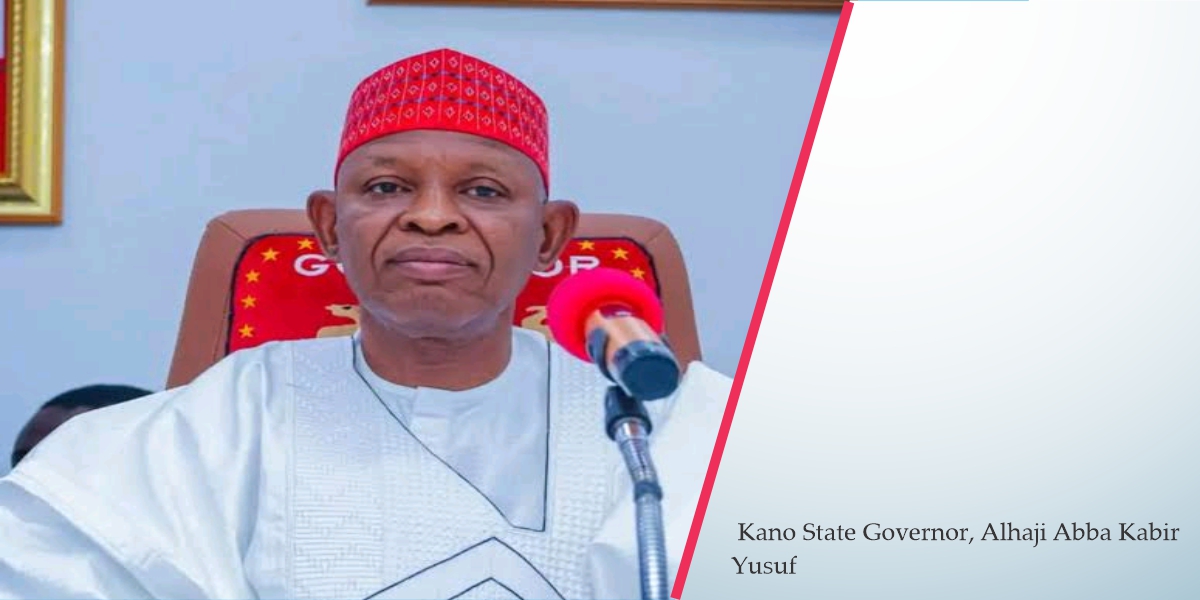
Last year, Governor Abba Kabir Yusuf shocked many when he declared a state of emergency in the education sector. Nigerians are used to such declarations that end as slogans, but this one turned out differently. The government allocated 30 per cent of its budget to education—the highest in the federation. That money went into rebuilding dilapidated schools, recruiting teachers, paying salaries promptly, and providing uniforms and books free of charge.
“This is not magic,” said Malam Abdullahi, a teacher at Rumfa College in Kano. “We now have classrooms where students can sit comfortably, textbooks to read, and teachers who are motivated because salaries are no longer delayed. These results are evidence that serious investment works.”
Parents agree. Aisha Ibrahim, a mother of three, said she could now send all her children to school. “When the government gave uniforms and textbooks for free, I used the money I saved to enrol my two younger children. Today, I am proud that Kano is shining.”
The students themselves feel the change. At Government Girls Secondary School, Dala, 17-year-old Fatima Sulaiman, who hopes to study medicine, said the atmosphere in school inspired them to work harder. “We had motivated teachers and new classrooms. We felt encouraged to give our best,” she said, smiling.
Kano’s reforms have been sweeping. More than 10,000 volunteer teachers under the Better Education Service Delivery for All (BESDA) were absorbed into full service. Thousands of new teachers have been hired, new hostels have been built, and closed boarding schools have been reopened. To improve security, 17,000 watchmen were deployed to protect schools, providing both parents and students with a sense of peace of mind.
Education experts believe Kano’s story offers lessons for Nigeria as a whole. Professor Grace Nnamani of the University of Nigeria, Nsukka, called it “a wake-up call.” She explained: “Kano has proved that public schools, when properly funded, can stand side by side with private ones. Other states must take notes.”
The lessons also go beyond Nigeria. In Ghana, for example, the Free Senior High School policy, launched in 2017, increased enrollment but left classrooms overcrowded and strained. In Kenya, government spending on digital learning has expanded access but has not fully addressed the question of quality. Kano’s model—balancing infrastructure, teacher welfare, and student support—presents a more rounded approach.
Dr Mohammed Adamu, a policy analyst based in Abuja, put it bluntly: “Nigeria’s education problem has never been about lack of ideas. It is about the lack of courage to implement them. What Kano has done is to show that with political will, progress is possible.”
Governor Yusuf, basking in the results, promised to do more: “Education is our top priority. We will not rest until every child in Kano has access to quality learning.”
For once, a bold promise in Nigerian politics has been backed by bold action. The message is clear: Kano’s triumph is not a miracle but the fruit of deliberate investment. Moreover, if other states follow suit, Nigeria’s long-suffering education system may finally be on its way to glory.?
Leave feedback about this