
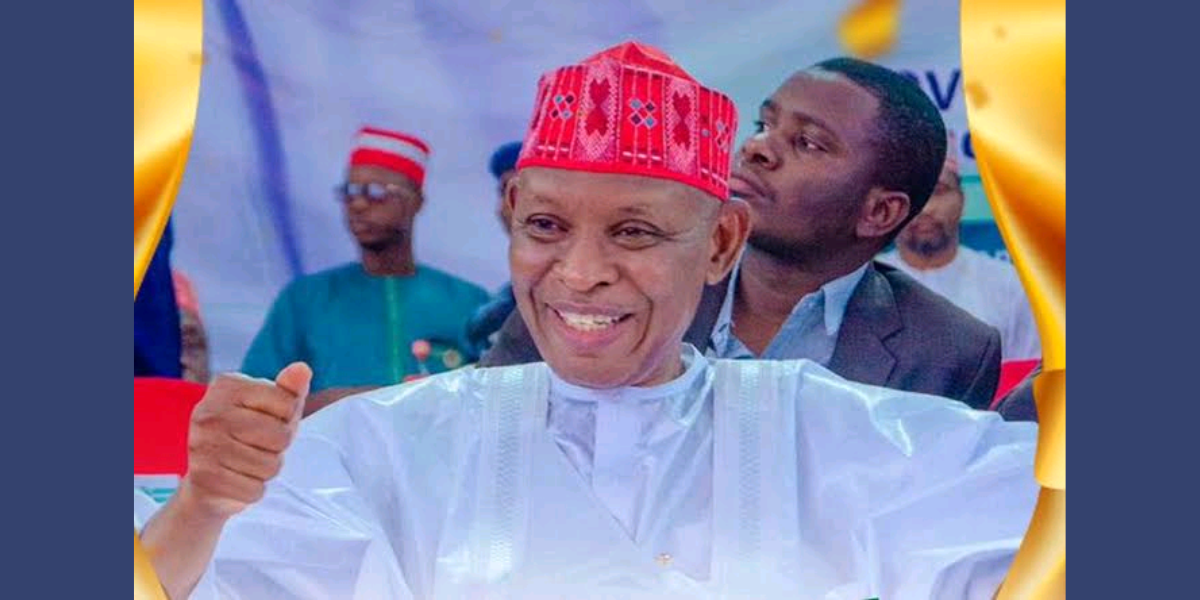
Governor Abba Kabir Yusuf of Kano State
Kano State’s recent decision to screen over 4,000 newly trained teachers has reopened a national conversation about who truly qualifies to stand in front of a classroom. At a time when parents are increasingly worried about learning outcomes, and the government struggles with poor results in public schools, Governor Abba Kabir Yusuf’s directive under the Better Education Service Delivery for All (BESDA) programme is seen by many as a necessary cleansing exercise.
The governor, who spoke during the distribution of learning materials to public schools, made it clear that competence—not sentiment—will determine who gets absorbed into the system. “Only those who are qualified and capable will be absorbed,” he said, insisting that the aptitude test is not a witch-hunt but part of a broader effort to rebuild public confidence in teaching.
Education watchers say the move is coming at the right time. Across the country, the debate about teacher quality is growing louder. Only two years ago, the Federal Government, through the Teachers Registration Council of Nigeria (TRCN), warned states and private schools against hiring unqualified teachers. That warning came as 12,539 candidates sat for the Teachers’ Professional Qualifying Examination (PQE), a compulsory test for anyone hoping to enter the classroom. According to TRCN’s Director of Certification and Licensing, Dr Jacinta Ezeahurukwe, the PQE has become the backbone of Nigeria’s teacher-quality reform. She notes that, just like medicine and law, teaching requires professional licensing. “Everybody knows you cannot just walk into a class and say you are a teacher,” she said. “You must be registered and licensed.”
The numbers from the last PQE cycle show a shifting landscape. Benue State topped the chart with 1,416 candidates passing the examination. This came as a shock to many observers because Benue State is among the poorest in the country and faces severe security challenges. The North Central state overtook states like Osun, which usually leads the pack. Meanwhile, Cross River and Ebony states occupied the bottom rung of the ladder. This has raised concern about regional disparities in teacher supply. Economic experts argue that the examination results reveal deeper issues facing the Nigerian educational system. The issues include unequal investment, uneven teacher-training systems, and, of course, the lingering problem of poor recruitment standards in many states. The experts argue that Kano’s new screening order could serve as a model for others if it is transparent and merit-driven.
As Nigeria pushes to improve learning outcomes, experts say reforms must go beyond examinations. They call for sustained teacher training, better school facilities and stronger monitoring systems. However, for now, Kano’s action signals a growing realisation across the country: without qualified teachers, no education reform can stand.




Leave feedback about this