
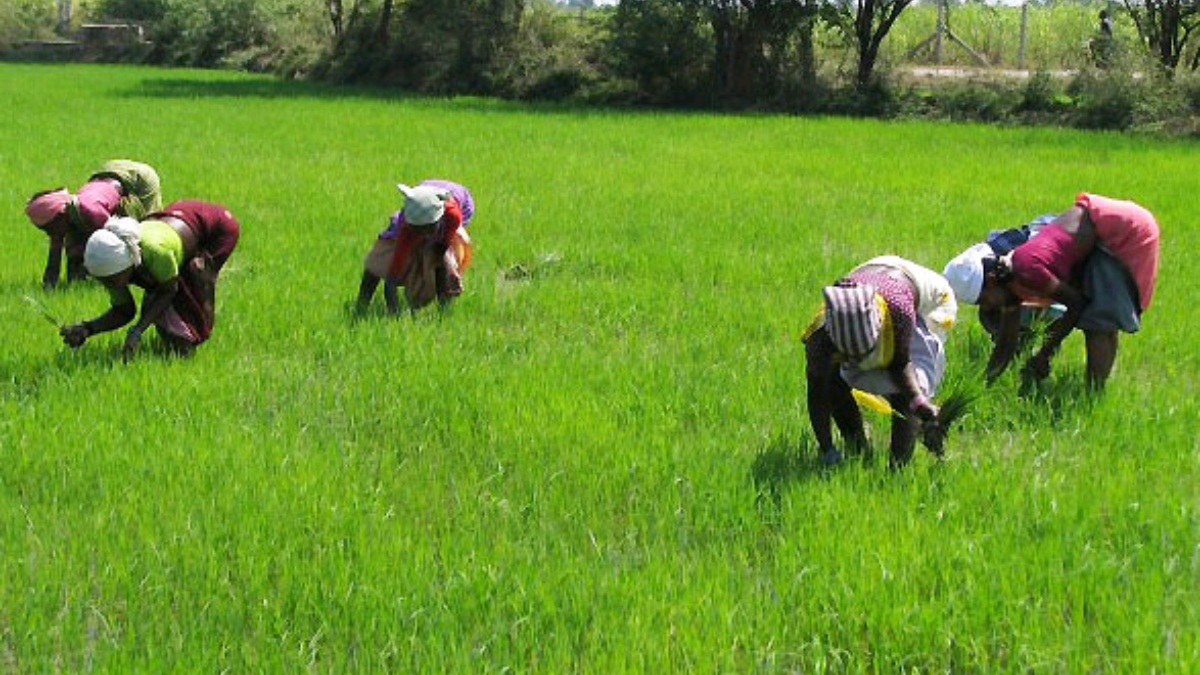
The Global Methane Hub has launched a new research initiative to reduce methane emissions from rice cultivation without affecting yields or profits. Announced during Singapore International Agri-Food Week and the Global Climate-Smart Agriculture Conference in Brazil, the Rice Methane Innovation Accelerator has received $30 million in initial funding, with plans to raise at least $100 million from philanthropic, public, and private sources.
Rice feeds half the world’s population, with more than 75 per cent produced directly for human consumption. Nevertheless, the flooded fields where most rice is grown constitute a significant source of methane, a potent greenhouse gas, accounting for about 8 per cent of human-caused emissions and consuming around 40 per cent of global irrigation water.
Strategies such as Alternate Wetting and Drying, which intermittently drain paddies, have helped, but their effectiveness is limited by local conditions and infrastructure. Without new approaches, rice methane emissions could rise by 7% by 2030.
The Accelerator will focus on plant genetics, soil microbiomes, agronomy, and emissions measurement to deliver solutions that maintain productivity while reducing emissions. Hayden Montgomery, director of the Hub’s Agriculture Programme, said the goal is to provide farmers with practical, locally adaptable tools.
Dr Yvonne Pinto of the International Rice Research Institute added that the initiative will strengthen existing research networks and support rice sustainability globally.




Leave feedback about this