
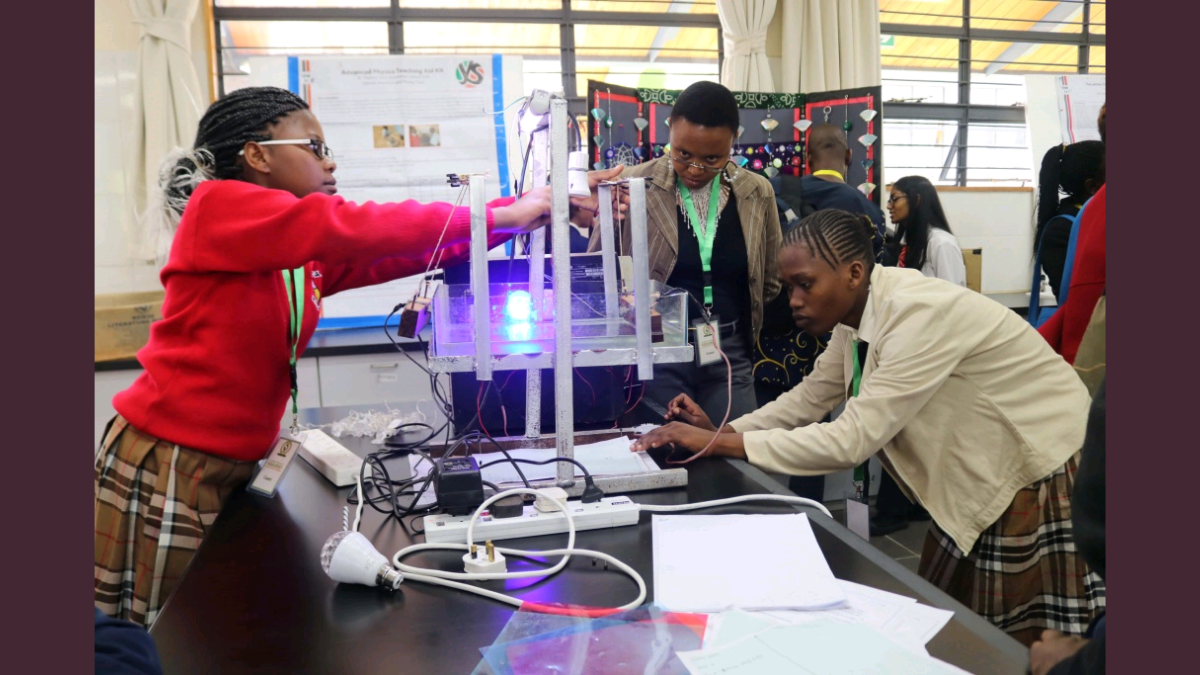
For many years, girls in Nigerian schools were told that science and technology were not for them — that those subjects were better left for the boys. Nevertheless, in classrooms, coding hubs, and community centres across the country, that story is changing fast. A quiet revolution is unfolding as more girls are beginning to see themselves not just as learners, but as creators, innovators, and problem solvers.
The shift is being driven by a growing national realisation that no country can advance technologically while half of its population is left behind. The Federal Government’s recent decision to rename the Ministry of Science and Technology as the Ministry of Science, Technology and Innovation is more than a cosmetic change. It is a signal of intent — that Nigeria wants to build an innovation-driven economy.
President Bola Tinubu’s education reforms, which include the introduction of coding, robotics, and animation in schools, are also pointing the country in a new direction. However, for many advocates, inclusion is the missing link. “If girls are not part of this tech wave, then Nigeria’s future is already at risk,” says Victoria Ezenwa, a STEM advocate. “We cannot talk about innovation and leave out half the population.”
This reality is why organisations like the Visiola Foundation and Give Girls A Chance are stepping in to close the gender gap. Through free STEM clubs, holiday boot camps, and mentorship programmes, they are helping girls not only learn science but also apply it to everyday problems — from building solar-powered lamps to designing simple coding projects that benefit their communities.
However, the obstacles remain challenging and perhaps difficult. Deep-rooted cultural beliefs still paint science as “unfeminine.” In some areas, girls are pressured into early marriage or steered away from “difficult” subjects.
Dr Rabia Salihu Sa’id of Bayero University Kano, who has mentored hundreds of girls in STEM, says what many need is not just opportunity, but encouragement. “When girls see women like them succeeding in science, something shifts in their minds — they start to believe it is possible,” she notes.
Experts say the next phase should focus on mentorship, funding, and policy support. Because beyond access to classrooms and gadgets, Nigerian girls need to be motivated to believe in their abilities. They must be made to see that STEM has no gender preferences and that, just like their male counterparts, they too can excel in the fields of engineering or science. Moreover, as more girls pick up the tools of technology, one thing is becoming clear: the future of innovation in Nigeria just might wear a dress.






Leave feedback about this