
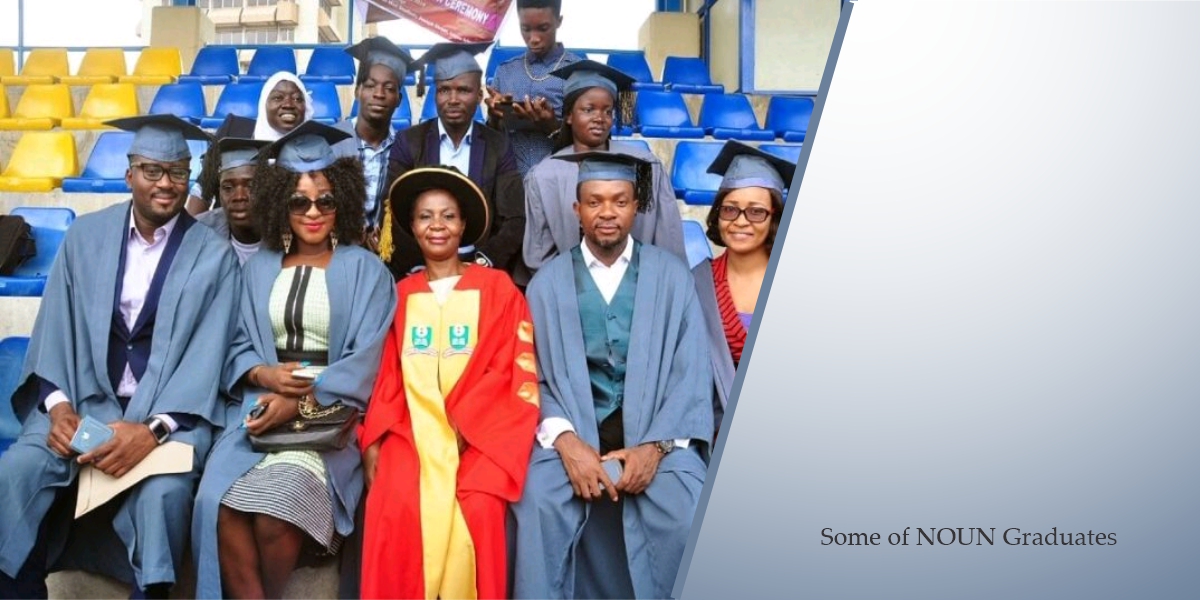
For Adefowora Adedeji, the dream of becoming a barrister has been on hold for more than five years. Like thousands of other law graduates from the National Open University of Nigeria (NOUN), he has been waiting for admission into the Nigerian Law School — the final step before being called to the Bar. However, this year, that dream was blocked again.
Over 4,000 NOUN law graduates were excluded from the 2025/2026 Law School admissions list, prompting them to petition the Attorney General of the Federation, Lateef Fagbemi (SAN). In their petition, they described the exclusion as “discrimination” and an attack on their right to equal access to legal education.
“This is not just a delay; for many of us, it’s the difference between achieving a lifelong dream and losing it forever,” said Udofia Samuel, secretary-general of the NOUN graduates’ association. Some of the graduates have waited for years, some are already getting old, while others sadly passed away without seeing their dream fulfilled.
The issue has once again raised questions about how distance learning degrees are treated in Nigeria. By law, NOUN degrees are recognised under the 2018 amendment of the University Act, and past graduates have completed Law School. However, this year’s blanket exclusion has left many stranded.
Experts say the problem goes deeper than just NOUN. Dr Chinyere Okeke, a law lecturer at the University of Lagos, explained: “This situation makes it look like some universities are second-class. Nigeria must find a way to balance high standards with fairness and equal opportunity.”
To reduce the backlog, the graduates suggested that at least 600 NOUN students be admitted this year across the seven Law School campuses, pointing out that earlier NOUN graduates have proven their worth academically and professionally.
Other African countries have already found solutions. In Ghana, distance-learning law graduates from recognised universities are treated the same as others. South Africa also has clear systems that allow different categories of graduates to qualify as lawyers. Advocates believe Nigeria can adopt similar approaches.
For these 4000 NOUN law graduates, this is not just about certificates but about justice and years of sacrifice. Many are holding onto hope that the Attorney General will intervene and open the doors of the Law School to them.
Until then, over 4,000 graduates remain stuck between their dream and the system, a painful reminder that education without equal opportunity leaves many Nigerians in limbo.

Leave feedback about this