
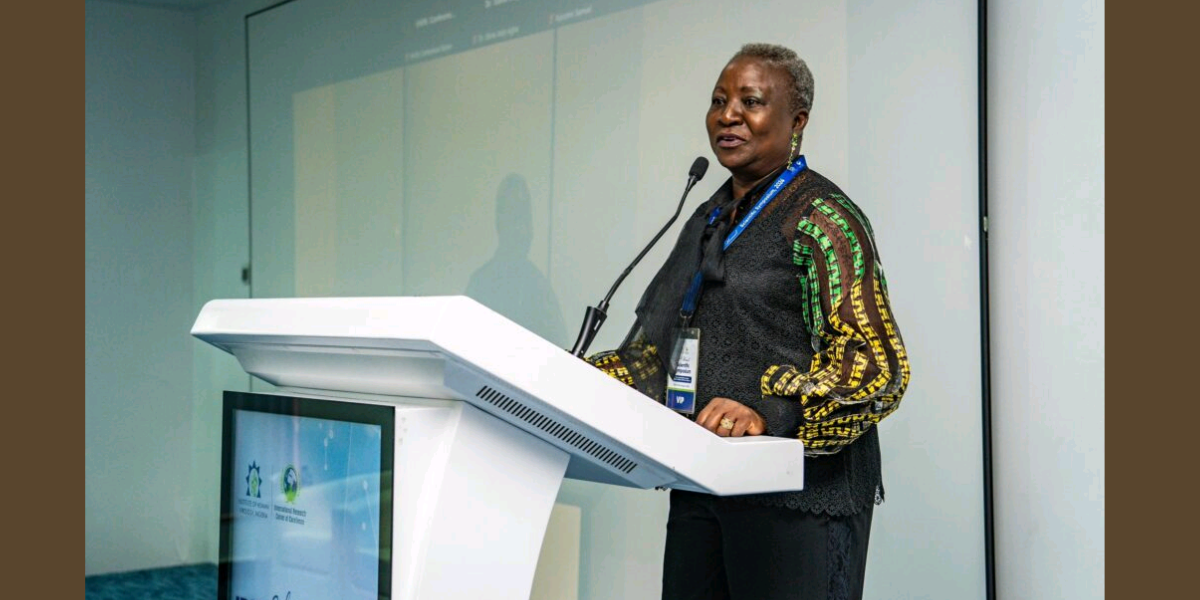
Prof_ Alash’le Abimiku, Executive Director of IHVN’s International Research Centre of Excellence (IRCE)
The Institute of Human Virology Nigeria (IHVN) has called for a shift from disease-specific laboratories to fully integrated, technology-driven labs capable of detecting multiple pathogens simultaneously.
Prof. Alash’le Abimiku, Executive Director of IHVN’s International Research Centre of Excellence (IRCE), made the call in Abuja at the close-out of the SECURE Nigeria Project, a five-year initiative supported by the US CDC to strengthen national epidemic preparedness. She stressed that existing molecular lab networks could screen for diseases, including Lassa fever, dengue, and acute febrile illnesses, optimising resources and staff expertise.
Highlighting genomic sequencing’s role during COVID-19, Abimiku noted its importance in guiding government responses. Dr Jide Idris, Director-General of NCDC, emphasised the need to strengthen documentation, workforce capacity, and digital tools to enable faster outbreak response.
Project Director Dr Rita Okonkwo cited achievements, including the launch of the Data Analytical and Visualisation Tool (DAVT), the Surveillance Data Quality Management system, and the Acute Febrile Illness Sentinel Surveillance across six states.
Senior Manager Dr Sohia Osawe added that PCR diagnostic capacity for 11 priority diseases was expanded, aiding early detection of Mpox and dengue.
Despite gains, challenges persist in accreditation knowledge, workforce consistency, and power supply. The project, however, has significantly bolstered Nigeria’s laboratory and data analytics capacity, enhancing national epidemic preparedness.






Leave feedback about this