
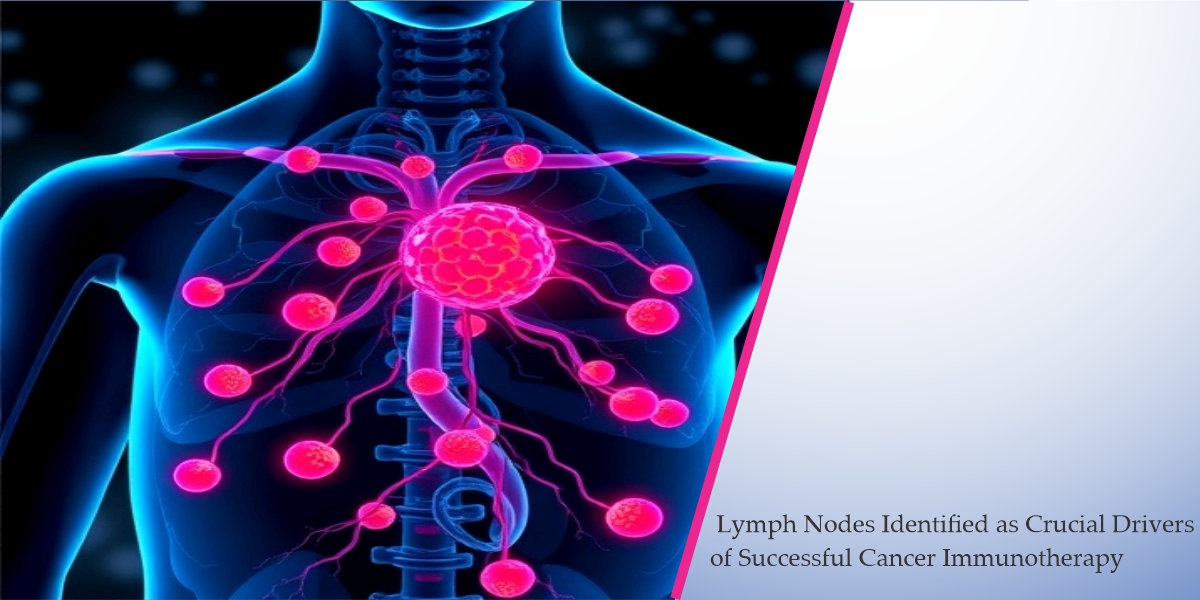
Researchers at the Peter Doherty Institute for Infection and Immunity (Doherty Institute) have discovered that lymph nodes play a central role in boosting immune responses against cancer and chronic infections.
The findings, published in Nature Immunology, revealed that lymph nodes provide the right environment for stem-like T cells to survive, multiply, and generate killer cells that can fight cancer or viruses. Other immune organs, such as the spleen, do not support this process as effectively.
Prof Axel Kallies of the University of Melbourne, senior author of both papers, said the results emphasise the importance of preserving lymph nodes during cancer treatment.
“Lymph nodes are not just passive waiting rooms for immune cells; they actively train and educate T cells,” he said. “Removing lymph nodes during surgery may reduce the effectiveness of therapies such as checkpoint blockade and CAR T cell treatments.”
The research also offers insight into why some patients respond better to immunotherapy than others, with the state of lymph nodes directly influencing outcomes.
Dr Carlson Tsui, a postdoctoral researcher at the Doherty Institute and lead author of one of the studies, noted that the work identifies molecular signals that regulate stem-like cells. “Therapies should not only target tumours but also aim to preserve and enhance lymph node function,” he said.




Leave feedback about this