
For decades, removing lymph nodes during cancer surgery has helped doctors detect and prevent the spread of disease. Nevertheless, new research suggests this long-standing practice may also weaken the body’s natural defences.
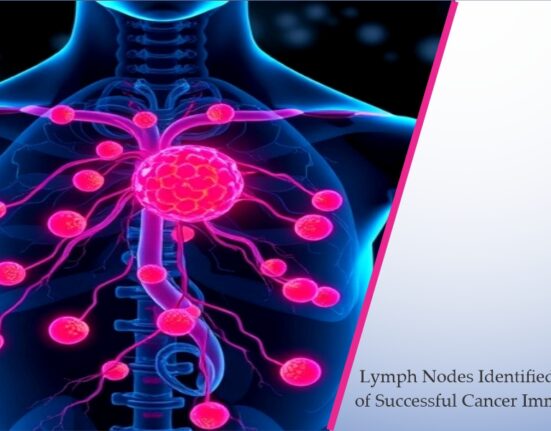
Lymph nodes are hubs of the immune system, where immune cells gather and prepare to attack harmful invaders. When surgeons remove them, it is usually to check whether cancer has spread and to reduce the risk of recurrence.
However, scientists now believe lymph nodes play a more active role than previously thought. Studies show they are training grounds for specialised immune cells known as CD8-positive T cells, which destroy cancer cells and help immunotherapy treatments work effectively.
Without these nodes, researchers warn, the immune response may be weaker, potentially reducing the body’s ability to fight cancer in the long term. Although these findings have been demonstrated so far only in laboratory studies, they highlight the need to reconsider traditional surgical approaches.
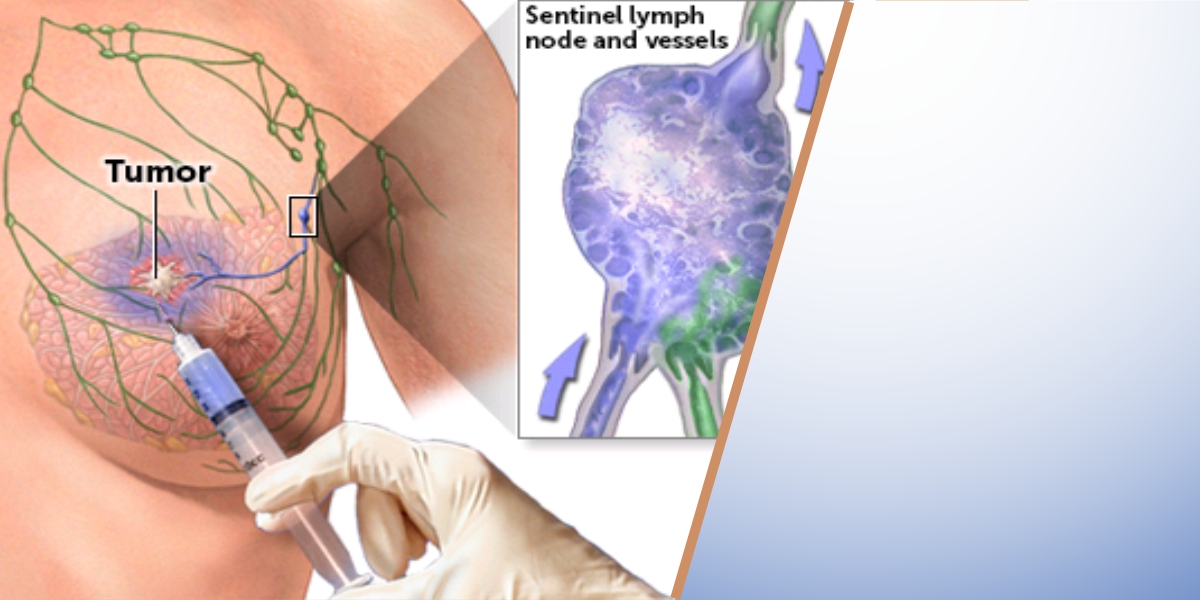
Removing lymph nodes also carries physical risks, including swelling, infection and chronic pain. Surgeons are therefore shifting towards more selective procedures. In breast cancer, for example, a “sentinel node biopsy” removes only the first node affected, limiting side effects while still revealing whether cancer has spread.
Modern research supports this targeted approach, suggesting that preserving some lymph nodes may help maintain the immune system’s strength. Future cancer surgery could become even more personalised, mapping which lymph nodes are vital for immune function and which pose the most significant risk of spreading disease.
While lymph node removal remains lifesaving for many patients, scientists now urge a more balanced approach, one that spares essential immune hubs whenever possible. Justin Stebbing, Professor of Biomedical Sciences, Anglia Ruskin University





Leave feedback about this