
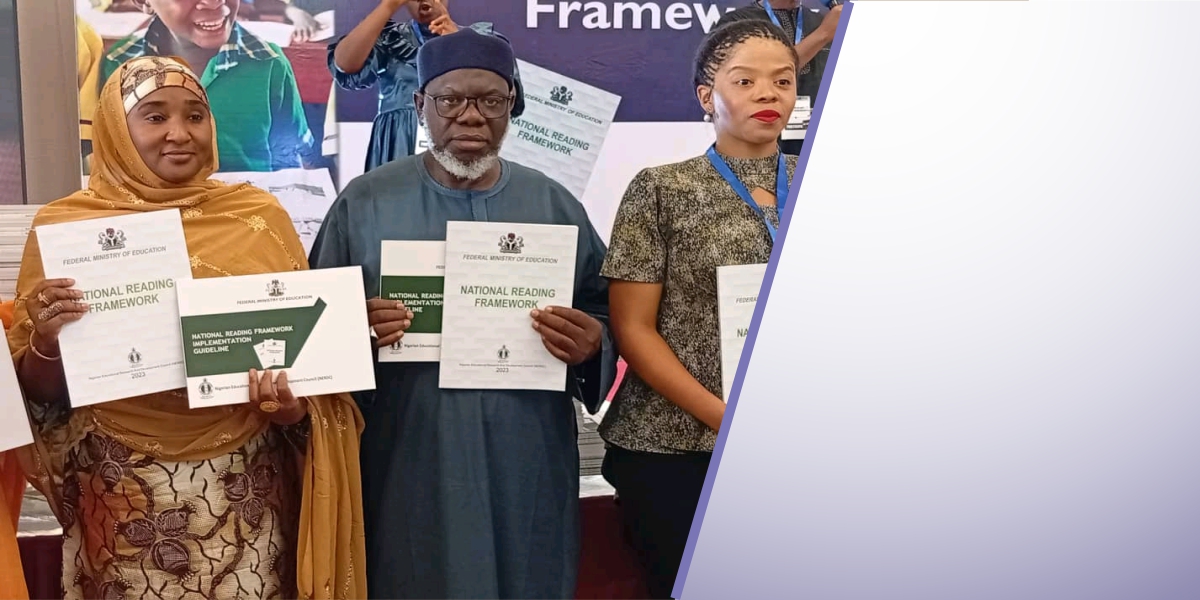
When the Nigerian Educational Research and Development Council (NERDC) unveiled the new national curriculum in September 2025, it was greeted with applause. The revised framework introduced trade subjects, digital literacy, and cultural studies across basic and senior secondary schools. On paper, it seemed like a bold step to prepare young Nigerians for a rapidly changing economy.
However, like the elders say, “Even the best cooking pot will not produce jollof rice without fire.” The big question now is: can Nigeria actually deliver this new curriculum?
One of the most significant problems facing the education sector is a lack of teachers. According to the Athena Centre for Policy and Leadership, Nigeria has about 915,000 teachers for 31.8 million pupils. That is a ratio of 1 teacher to 35 pupils—far above UNESCO’s recommended 1 to 25.
In 18 states, no new teachers have been recruited in the past five years. Without enough teachers and without adequate training for the ones we already have, the new curriculum may not be effective. As Dr Vincent Ezeme, a lecturer in Anambra, warned: “It is like building a house without a foundation.”
The new curriculum rightly includes digital technology. However, another challenge lies here: many schools lack access to the internet, computers, or stable electricity. UNICEF’s 2023 report states that only 36 per cent of Nigerians use the internet, and less than half of public school teachers possess basic ICT skills.
Projects like the Nigeria Learning Passport—developed in collaboration with UNICEF and Microsoft—have connected approximately 1,000 schools and trained over 63,000 teachers. While this is commendable, it is still a drop in the ocean compared to the millions of schools and children that need support.
Another issue is money. In the 2024 federal budget, education got N1.54 trillion, which is just 6.39 per cent of total spending. UNESCO recommends 15–20%. Without proper funding, teacher training, digital tools, and infrastructure upgrades will remain promises on paper.
“The government must match vision with money. Otherwise, the curriculum will just gather dust on the shelves like the ones before it,” says education activist Nkechi Ogu.
Other nations show what is possible when reforms are adequately funded. For example, Rwanda invested heavily in digital education after 2010. Today, primary school pupils learn coding and ICT as part of their normal studies. In recent months, Ghana has also made vocational training compulsory in many schools, preparing students for careers in farming, carpentry, and technology.
Nigeria can learn from these examples, but only if it invests wisely and ensures accountability.
Experts also stress that how teachers teach is as important as what they teach. Trade subjects like solar panel installation, agriculture, or digital design require hands-on methods. Simply handing pupils textbooks will not work.
Communities must also be carried along. Parents, civil society, and local leaders should support schools in sustaining these changes. Stronger School-Based Management Committees, experts say, will ensure that reforms take root at the grassroots.
The Way Forward
Nigeria’s new curriculum has great promise. It can help fight unemployment, boost food security, and prepare young people for the future. Nevertheless, it will require the combined efforts of a well-trained army of teachers, technology, adequate funding, and political will.
If Nigeria fails to provide these, the curriculum may go the way of past reforms. Nevertheless, if we get it right, this curriculum could become a turning point.
As the proverb goes: “The child who rushes to eat a hot yam without peeling it will surely burn his fingers.” Nigeria must take time to prepare this reform properly, so the nation’s children can truly eat and be satisfied.


Leave feedback about this