
Nigeria’s universities are scrambling to fill thousands of vacancies left by lecturers and staff who have left the system in recent years. Adverts for teaching and non-teaching roles have appeared from Lagos to Nsukka as institutions prepare for the new academic session.
The shortage has been building for over a decade, fuelled by the “japa” migration wave, retirements, and years of a federal hiring freeze. Classrooms have been stretched thin, with some lecturers handling double or triple workloads.
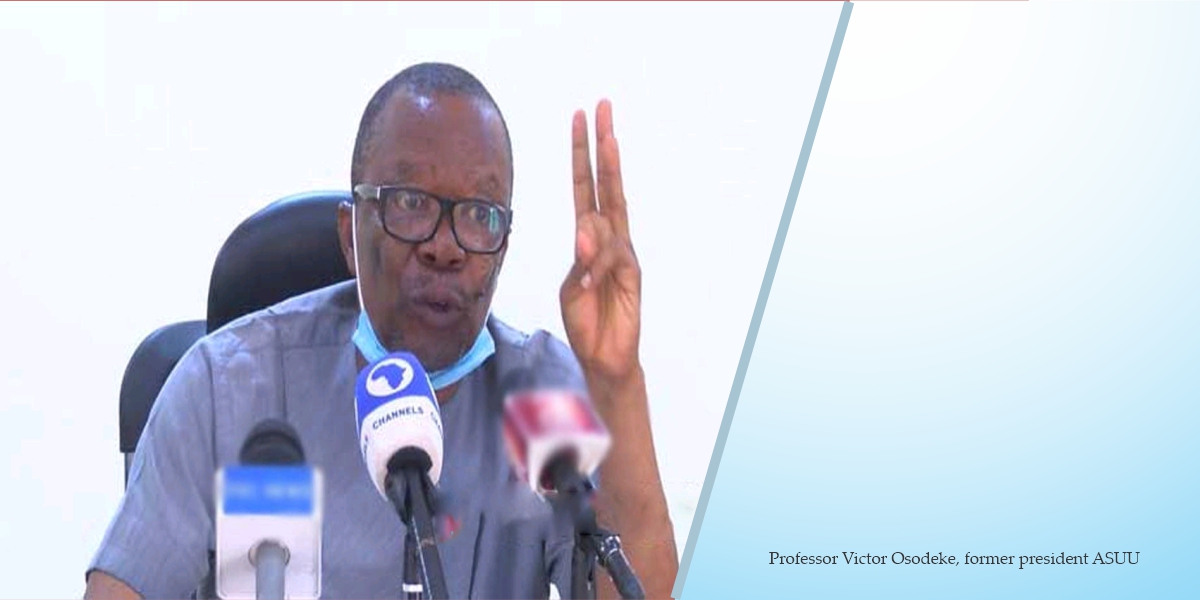
“The embargo overworked lecturers and crippled effective teaching,” said Professor Victor Osodeke, former president of the Academic Staff Union of Universities. His view is echoed by Professor Ikechukwu Onyishi of the University of Nigeria, Nsukka, who warns that universities are losing staff “to retirement, death, or better-paying jobs abroad,” leaving those who remain exhausted.
The Federal Ministry of Education says the new recruitment drive will be closely monitored to ensure transparency. Activists, too, are calling for fairness. “This is a chance to ease the burden on lecturers, but the process must be open and create space for young academics,” said Ayodamola Oluwatoyin of Reform Education Nigeria.
Nigeria’s talent drain is part of a wider African challenge. In Zimbabwe, up to 90% of graduates are estimated to work abroad, while Ethiopia and Kenya also face annual losses of trained professionals. For Nigeria, the trend is long-standing: by 2007 more than 10,000 Nigerian academics were teaching in the United States alone.
For now, recruitment offers relief. But experts warn that without better pay, research funding, and facilities, universities will struggle to hold onto their brightest minds. The risk is a cycle of brain drain that produces weaker graduates — and a weaker nation.Nigeria’s universities are scrambling to fill thousands of vacancies left by lecturers and staff who have left the system in recent years. Adverts for teaching and non-teaching roles have appeared from Lagos to Nsukka as institutions prepare for the new academic session.
The shortage has been building for over a decade, fuelled by the “japa” migration wave, retirements, and years of a federal hiring freeze. Classrooms have been stretched thin, with some lecturers handling double or triple workloads.
“The embargo overworked lecturers and crippled effective teaching,” said Professor Victor Osodeke, former president of the Academic Staff Union of Universities. His view is echoed by Professor Ikechukwu Onyishi of the University of Nigeria, Nsukka, who warns that universities are losing staff “to retirement, death, or better-paying jobs abroad,” leaving those who remain exhausted.
The Federal Ministry of Education says the new recruitment drive will be closely monitored to ensure transparency. Activists, too, are calling for fairness. “This is a chance to ease the burden on lecturers, but the process must be open and create space for young academics,” said Ayodamola Oluwatoyin of Reform Education Nigeria.
Nigeria’s talent drain is part of a wider African challenge. In Zimbabwe, up to 90% of graduates are estimated to work abroad, while Ethiopia and Kenya also face annual losses of trained professionals. For Nigeria, the trend is long-standing: by 2007 more than 10,000 Nigerian academics were teaching in the United States alone.
For now, recruitment offers relief. But experts warn that without better pay, research funding, and facilities, universities will struggle to hold onto their brightest minds. The risk is a cycle of brain drain that produces weaker graduates — and a weaker nation.



Leave feedback about this