
Nigeria’s Federal Executive Council has approved a seven-year moratorium on the establishment of new federal universities, polytechnics, and colleges of education, while clearing nine private universities to open. The move, announced on August 13 2025, has sparked debate over whether it signals reform or contradiction.
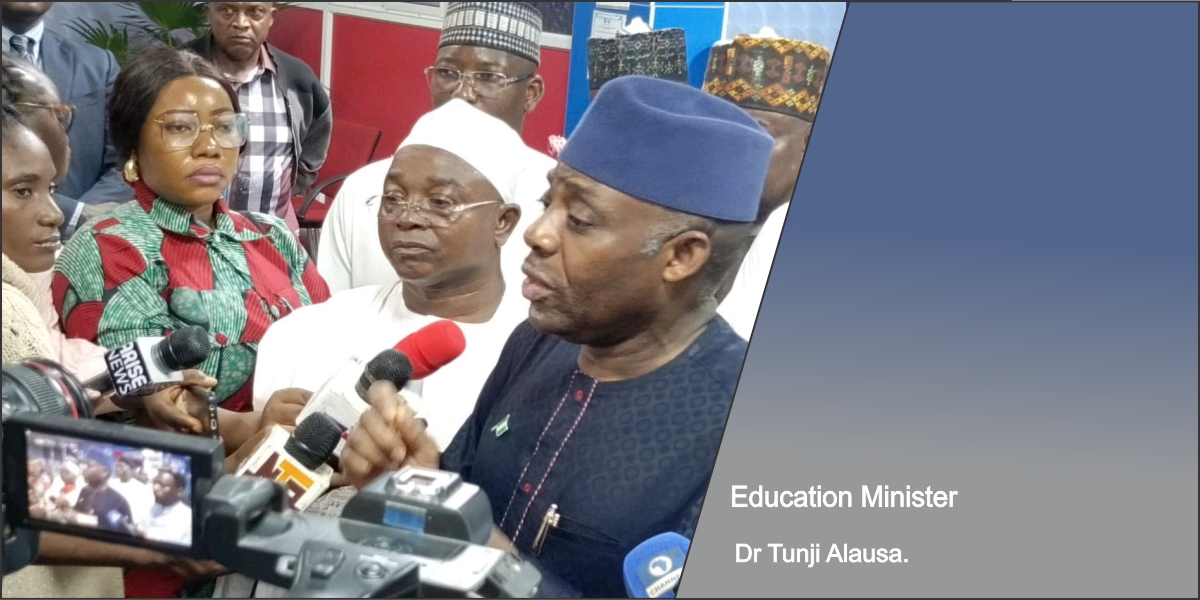
Education Minister Dr Tunji Alausa described the pause as a “quality-first reset”, citing cases of under-enrolled federal institutions, outdated facilities and declining academic standards. He argued that funds should go into upgrading laboratories, recruiting qualified lecturers and modernising curricula rather than launching more campuses.
Supporters say the moratorium could drive efficiency, redirecting scarce resources to improve research capacity, digital learning and staff development. They also see stricter approval standards for private universities as a step towards protecting students from substandard institutions.
However, critics warn that the policy may be misinterpreted as an access freeze, given Nigeria’s tertiary enrollment rate – approximately 12% – which lags far behind that of peers such as Egypt and Morocco. Others point to the more profound crisis of lecturer pay, describing it as “among the lowest in Africa”, fuelling brain drain and falling teaching quality.
Observers say the freeze will only succeed if accompanied by measurable improvements – from modern facilities to higher pay – before expansion resumes in 2032.



Leave feedback about this