
Nigeria’s university lecturers are once again at loggerheads with the government over wages, warning that the failure to address long-standing demands could trigger fresh industrial action.
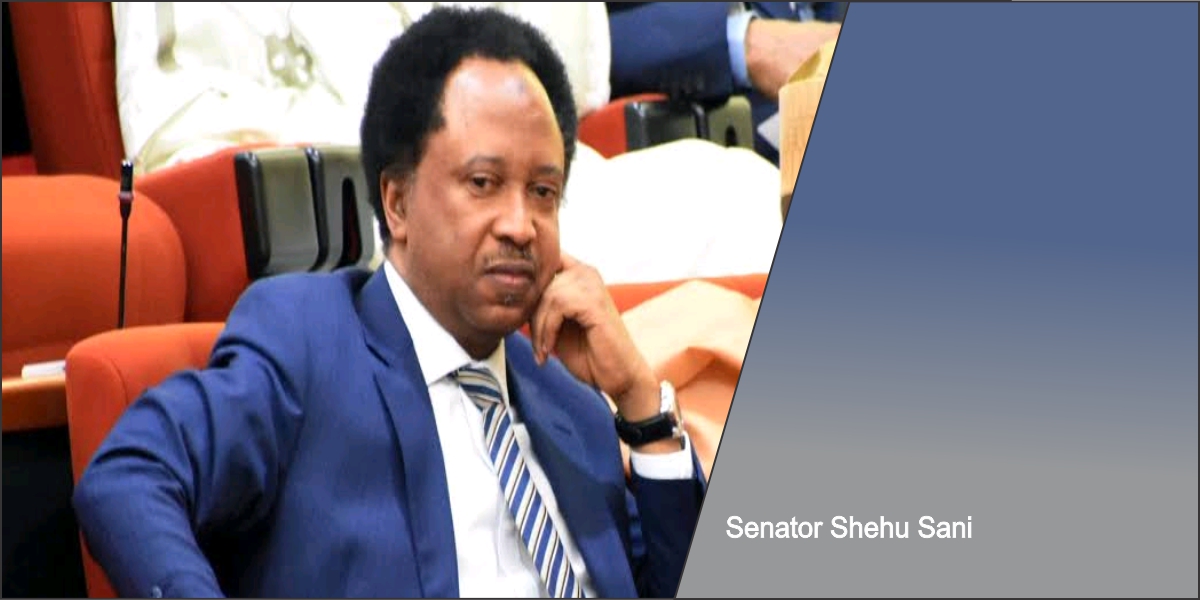
At the heart of the dispute is the issue of pay. Senior academics in federal universities currently earn around ₦633,000 (£340) per month, despite holding doctoral degrees and publishing in peer-reviewed journals. By contrast, some political officeholders – including senators – reportedly earn up to ₦21 million (£11,200) per month, according to former Senator Shehu Sani, who previously disclosed his own salary during his time in office.
Imo State recently announced a new wage structure that makes its state university lecturers among the highest paid in the country. Under Governor Hope Uzodimma’s new plan, professors will now earn ₦812,000 monthly – still a fraction of what lawmakers take home.
“Living Wage, Not Loans” Unions say wages have remained virtually stagnant since 2009, despite rising inflation. “We deserve a living wage. Lecturers are not beggars,” said Prof Idou Keinde, Chair of ASUU at the University of Lagos, during a protest. “Government cannot expect quality research and teaching when those tasked with it are impoverished.”
The Congress of University Academics (CONUA) warned that any negotiation excluding their input would breach international labour conventions and Nigeria’s own Trade Union Act. Medical academics under MDCAN have also signalled support for the push.
Public Outrage and Social Media Reaction
The debate has ignited sharp public commentary. Yinka Ogunde, founder of the Concerned Parents and Educators Network, wrote on social media: “I owe all lecturers an apology. I never knew a professor earns less than a local government councillor. We need an education rethink.”
Commentators compared the academic path – often requiring over a decade of post-secondary study and research – to the minimal academic requirement for lawmakers, where a secondary school certificate is sufficient.
Calls for Structural Reform
Beyond pay, lecturers are demanding proper funding for universities, updated facilities, and an end to the unchecked proliferation of new institutions. Many argue that without competitive wages, Nigeria risks losing its best minds to foreign universities, worsening the ongoing brain drain.
Industry voices echo the call for systemic reform. At the Nigeria Computer Society conference, Zinox Group Chairman Leo Stan Ekeh urged the government to subsidise power for educational institutions, citing the crippling effect of erratic electricity on research and digital learning.
Next Steps
The government has yet to announce a clear position on wage adjustments. However, with unions warning of strike action and public sentiment increasingly sympathetic to their cause, pressure is mounting on the government to act.

Leave feedback about this