
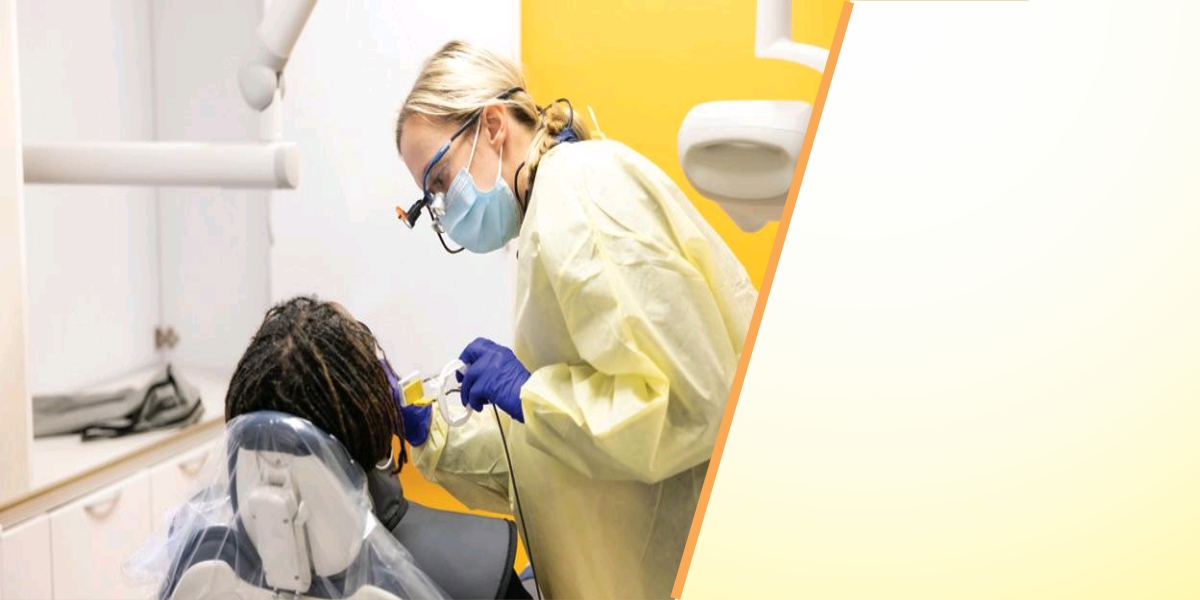
A four-year study by researchers at the University of Pennsylvania has led to the development of a new dental treatment protocol aimed at enhancing precision and patient safety.
Led by Dr Khosrow Shakibaie, the team developed Microscopically Guided Rubber Dam Integration (MGRI), a refinement of the long-standing Rubber Dam Isolation method, which uses a thin latex sheet to keep the mouth dry and free from contamination during treatment.
While the Rubber Dam technique has been widely regarded as more effective than conventional drying methods, the Penn research group introduced the use of a Dental Operating Microscope to enhance the process. They say the innovation improves accuracy, visibility and efficiency while also easing the physical strain on dentists.
The researchers believe the new approach could raise the standard of care in modern dentistry. It allows greater control during delicate procedures, while also protecting patients from the risk of inhaling instruments or being exposed to saliva and blood during treatment.
The study, published this week, concludes that MGRI could set a new benchmark for restorative and aesthetic dental practice worldwide.




Leave feedback about this