
Education stakeholders gathered in Abuja on Thursday to propose solutions to the challenges hindering the effective promotion of inclusive, safe, and gender-sensitive learning environments in the country.
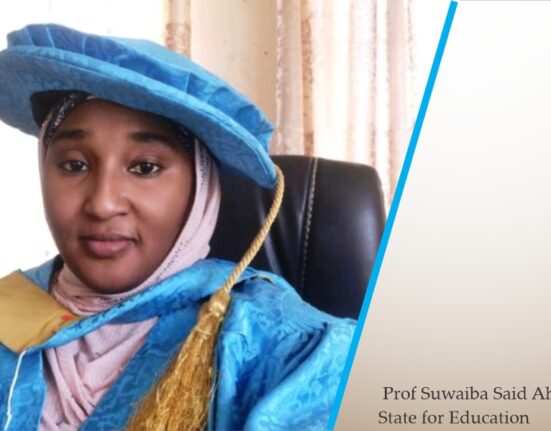
The event was organised by the National Senior Secondary Education Commission (NSSEC) to boost the capacity of Special Education Desk Officers from all 36 states of the federation and the FCT. The News Agency of Nigeria (NAN) reports that the theme of the workshop was: “Promoting Inclusive, Safe and Gender-Sensitive Learning Environments for All”. The Minister of State for Education, Prof. Suwaiba Ahmad, called for collaboration among school owners, development partners, and state governments to promote inclusive and gender-sensitive learning environments in schools, thereby enhancing national development.
Ahmed, represented by Mr Kehinde Osinaike, Deputy Director of the Science and Technology Department at the ministry, urged participants to make use of the opportunity provided to carry everyone along. She explained that the workshop was a crucial step in translating gender and inclusive education policies into tangible, everyday practices.
“The National Policy on Inclusive Education was developed to remove barriers to learning, ensure equity and improve access to quality education for all, especially learners with disabilities and those facing systemic disadvantages. Alongside this, the National Policy on Gender Education provides a framework for eliminating gender disparities and ensuring that both girls and boys have equal opportunities to access, participate in and benefit from education. But as we all know, policies are only as effective as their implementation, and we must go beyond the rhetoric,” she said. The minister, however, pledged the President Bola Tinubu-led administration’s commitment to advancing inclusive and equitable education in the country.
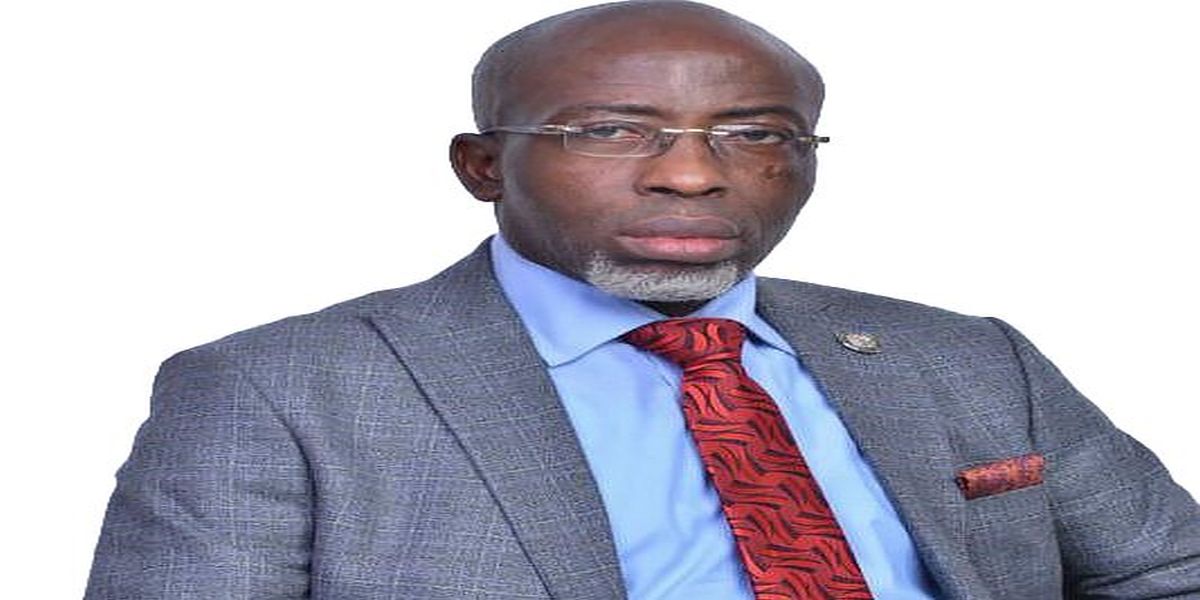
Also, Dr Iyela Ajayi, Executive Secretary of NSSEC, stated that the workshop aimed to equip desk officers with modern trends in implementing inclusive practices that address gender-based violence (GBV). Ajayo said that for there to be meaningful change, the frontline officers must be empowered, as they were the direct link to schools and communities.
“Our goal is to transform our senior secondary schools into true sanctuaries of learning, where every child, irrespective of his/her abilities, gender or background, feels valued and safe. As Special Education Officers, you are the architects of inclusion in our educational system. You are the advocates, the monitors and the support systems that ensure our policies translate into meaningful actions. Your role is central to dismantling barriers, fostering a culture of acceptance and ensuring that no learner is left behind,” he said.
On his part, the Executive Secretary of the National Commission for Persons with Disabilities, Ayuba Gufwan, said that statistics showed that 35.5 million persons were living with disabilities, hence the need to address critical issues affecting them. Gufwan said that, in reality, every individual is living with one form of disability or the other and must, therefore, not ignore their challenges. He expressed concern over the challenges faced by persons with disabilities (PWDs), stating that most schools across the country do not have ramps for easy access.

Leave feedback about this