

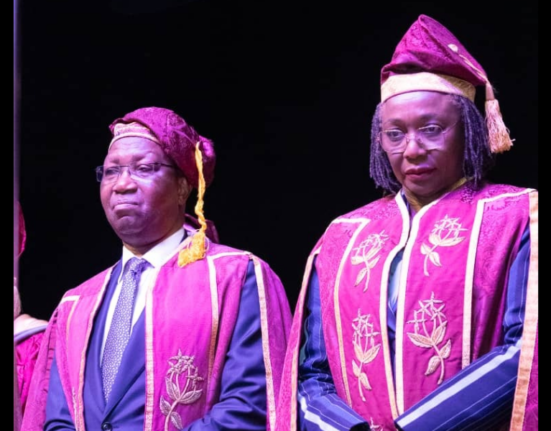
Niyi Sunmonu, CONUA President
Key players in the education sector are taking opposing positions on the Senate’s new bill mandating that all pupils sit the NCEE, BECE, and SSCE. The Senate argues the policy will standardise assessment and drive quality outcomes nationwide.
CONUA President, Niyi Sunmonu, flagged structural risks, stressing that global models do not rely on a single uniform pathway.
He highlighted that even advanced systems like those in France, Singapore, the UK, and China maintain multiple assessment routes to support diverse learning needs.
NAPPS President, Yomi Otubela, acknowledged the Senate’s intentions but warned that many schools lack the infrastructure, manpower and logistics required to execute high-stakes national examinations at scale. He maintained that readiness gaps could undermine the policy’s impact.
Platform Schools Director, Dr Bola Obe, backed the bill, calling it a strategic intervention that could strengthen teaching quality and expose learning gaps. He, however, stressed the need for heavy investment in facilities, training and resources.
AFED President, Emmanuel Kanu Orji, argued that the policy overlooks the Basic Education Act of 2002 and may trigger operational confusion.
He noted that the NCEE serves a specific purpose: admission into Unity Schools, and that making it compulsory for all pupils could create unnecessary pressure.





Leave feedback about this