
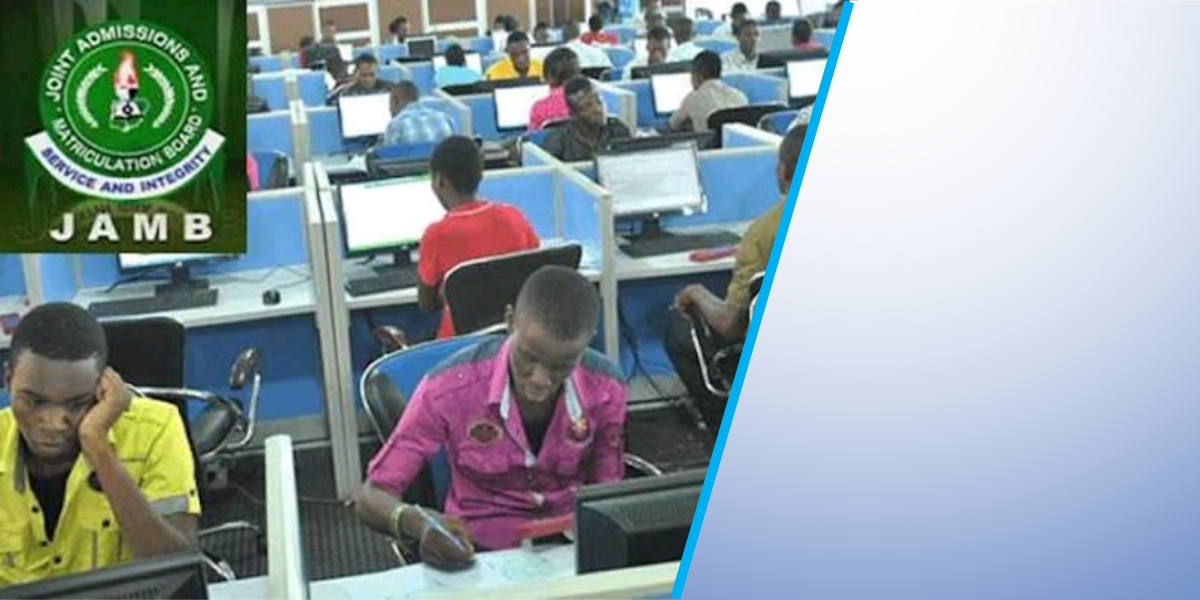
For many young Nigerians, getting into university is a dream they have nursed from childhood. That dream has been kept alive by many years of study, prayers, and sacrifice. However, that same dream is now under threat, as admission fraudsters have become more audacious and are now taking full advantage of students’ desperation to secure a brighter future.
In recent months, schools like the Federal University Dutse, University of Abuja, University of Lagos, Federal University of Technology, Akure, Obafemi Awolowo University and several others have raised alarms about fake admission letters being sold for vast amounts of money. They’ve warned applicants to always confirm admission through official channels like JAMB and university portals.
“This is now a national problem,” said Prof. Ibrahim Bello, an education expert. “Every year, hundreds of students lose money because of desperation. Some even travel far to meet scammers, only to discover the admission was fake.”
The fraud is not just about money — it leaves families broken and students discouraged. Seventeen-year-old Chioma Okafor from Enugu shared how her parents paid to “secure” her place in Medicine at a federal university, only to later discover the admission letter was fake. “It was heartbreaking,” she said. “We lost everything we had saved.”
Experts say the pressure of highly competitive admissions and the use of social media for shady deals are fueling the problem. Many students are tempted by people online who promise them “easy admission,” but most of the time, it ends in tears.
Dr Nneka Eze, a psychologist in Lagos, explained: “Apart from financial loss, it damages trust and even makes some young people lose interest in education.” To fight the problem, universities are introducing stronger verification systems, awareness campaigns, and encouraging students to double-check every admission claim. In some African countries, such as Ghana and South Africa, universities use highly secure portals to prevent fraud, and Nigerian institutions are being urged to do the same.
For Chioma and many others who have been scammed, the message is simple: “Students must be careful. Do not let fraudsters steal your future.” As the new academic year begins, the war against admission fraud is still on. Parents, students, universities, and regulators must join hands to ensure education remains a ladder to success — not a trap set by scammers.




Leave feedback about this