
At least 51 public tertiary institutions in Nigeria are under scrutiny for making illegal deductions from student loans provided by the Nigerian Education Loan Fund (NELFUND).
Reports reveal that these institutions charged students between N3,500 and N30,000 beyond the approved fees, violating the established guidelines for the loan scheme.
Several schools, including the Federal University of Technology Akure (FUTA), Modibbo Adama University (MAU), and the University of Nigeria, Nsukka (UNN), were accused of accepting payments from NELFUND on behalf of students but failing to refund excess amounts or notify students about the disbursements.
In some cases, students who had already paid fees before the loans were disbursed struggled to reclaim the excess charges.
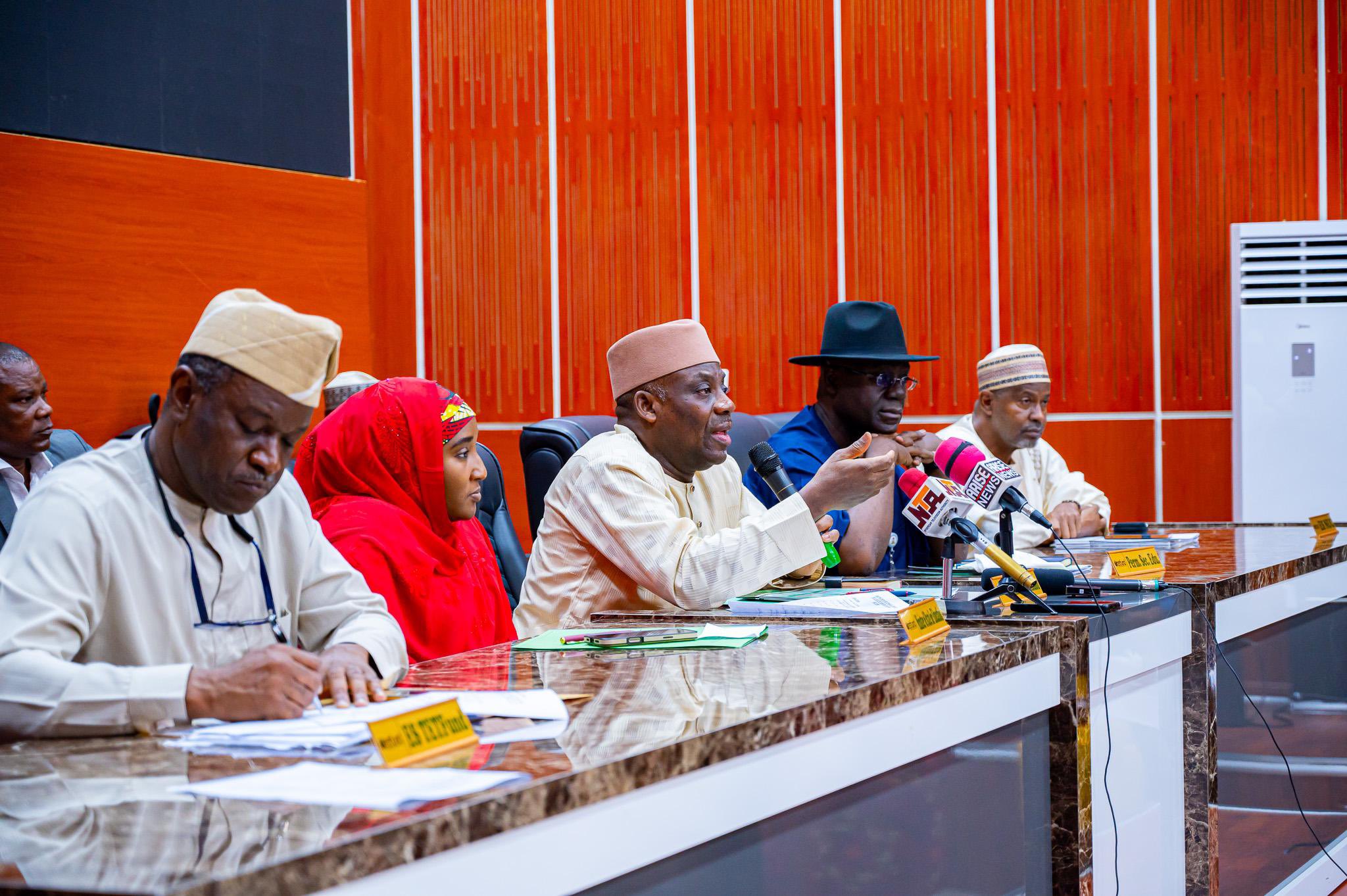
The National Orientation Agency (NOA) and NELFUND condemned these actions as deceptive practices.
They revealed that certain institutions not only received full payments from NELFUND but also imposed additional fees or failed to communicate payments made on behalf of students.
At the University of Jos, for example, students were charged an extra N10,000 to N20,000 on top of the approved N130,000, with similar reports from other universities and polytechnics across Nigeria.
FUTA’s spokesperson, Adegbenro Adebanjo, acknowledged the issue of double payments, attributing the delays in processing refunds to technical problems in linking the institution’s system to the new Central Bank of Nigeria (CBN) account.
At MAU, approximately 300 students were reportedly affected, with delays attributed to the verification process.
YABATECH denied the allegations, claiming that the actual amount received from NELFUND was still under verification by the CBN.
NELFUND has disbursed over N50 billion to approximately 300 public institutions, but warned that several institutions had failed to inform students of payments made on their behalf, leading to confusion and double payments.
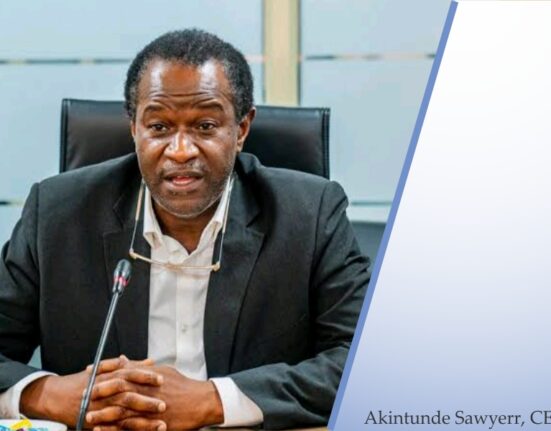
NELFUND’s Managing Director, Akintunde Sawyer, has threatened legal action against the institutions involved, stating that such practices could undermine the government’s goal of promoting equitable access to education through the student loan scheme.
The NOA has launched its investigation into the matter, with community orientation officers investigating cases of withheld payments and collusion with banks.
Education stakeholders have raised concerns, urging NELFUND to consider paying the loans directly to students to curb the abuse and ensure transparency in the system.
If these issues are not addressed promptly, the integrity of the student loan initiative could be compromised, resulting in additional hardship for students already struggling to access quality education.


Leave feedback about this