
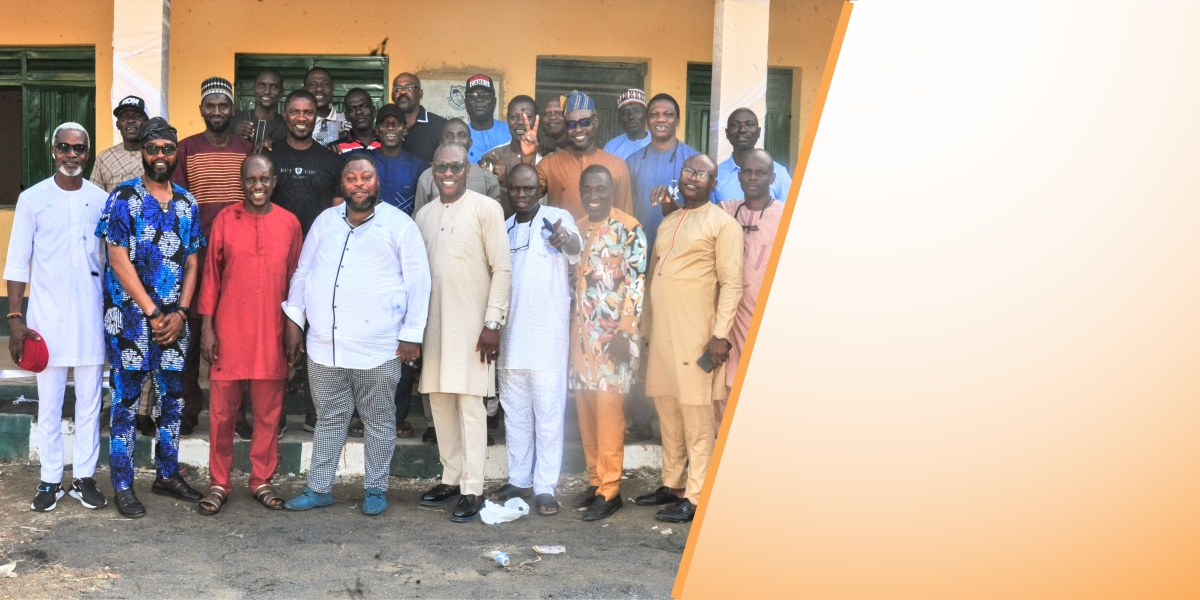
Across the country, Nigeria’s struggling public schools are receiving a surprising lifeline—not from the government, but from former students who are letting nostalgia drive them into action.
Once upon a time, schools like Molusi College in Ogun and Ijeshatedo Boys Secondary School (IBSS) in Lagos were symbols of national pride. Today, most unity and public schools are shadows of their former selves—dilapidated classrooms, no water, no power, and a government that has looked the other way.
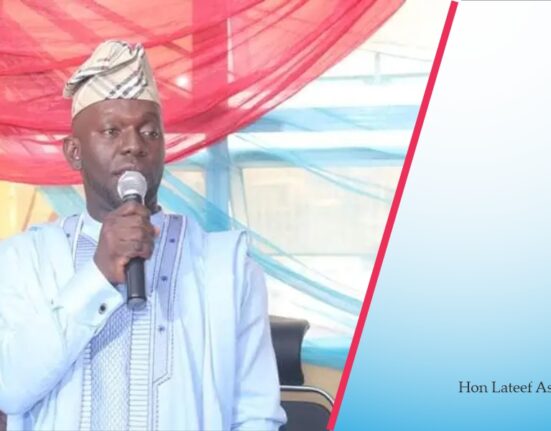
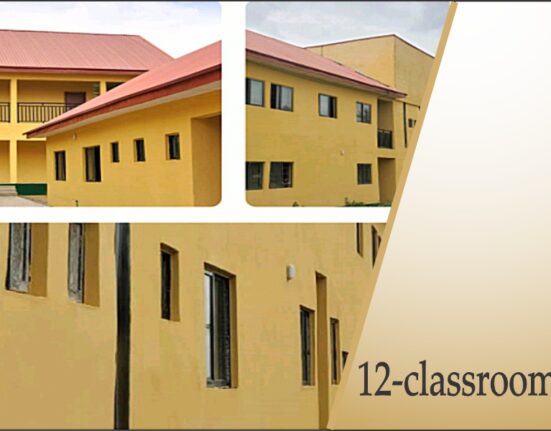
However, for many alumni, the memory of what once was is too powerful to ignore. It is that emotional link—those shared stories of boarding house life, tough but loving teachers, and first friendships—that is now driving meaningful change. In Lagos, the 1995 set of IBSS recently renovated a classroom block and restored electricity to their old school. “The school pointed to an abandoned classroom block. So, we took it upon ourselves to transform it into a functional, modern space for learning,” said Muyiwa Adesanya, Vice President of the alumni set.
For them, it was not just about fixing buildings. It was about giving back to a place that shaped their lives. “We are building a sustainable support system,” added the group’s secretary, Feyisayo Adeniyi. “This is not a one-off. Our network now includes mentorship, business opportunities, and even policy insights.” In Ijebu-Igbo, Ogun State, the 1971–75 set of Molusi College Old Students Association (MOCOSA) took it even further. To mark their 50th anniversary, they renovated the lodge for corps members, drilled a borehole, and provided other amenities. Chairman of the set, Abdulwaheed Popoola, called it a gift to the future.
“This is our contribution to improving the learning environment. It is never a waste,” he said.
Nevertheless, beneath the joy and celebration lies a deeper question: Why must citizens do what the government has failed to do? According to Thomas Adu, a member of the Molusi alumni, “The passion is gone. Parents, teachers, and the government have all shifted focus. In our day, education was a joint effort—now it feels abandoned.”
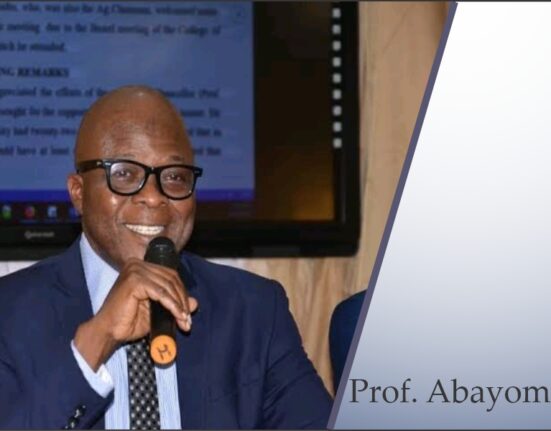
It is a sad reflection of the systemic failures in Nigeria’s public education. What was once government-funded excellence is now being rescued by sentimental graduates with limited resources but big hearts. Nevertheless, these efforts are not just patchwork repairs. They are becoming an alternative funding model—one that builds infrastructure, offers mentorship, and creates strong networks for youth empowerment. Principal of IBSS, Olugbenro Daniel, summed it up best: “They have set a new benchmark.” As more alumni associations awaken to their power, Nigeria may be witnessing a quiet revolution, one driven not by policies but by memories. Moreover, in a country where public education is on life support, maybe nostalgia is exactly the medicine we need.


Leave feedback about this