

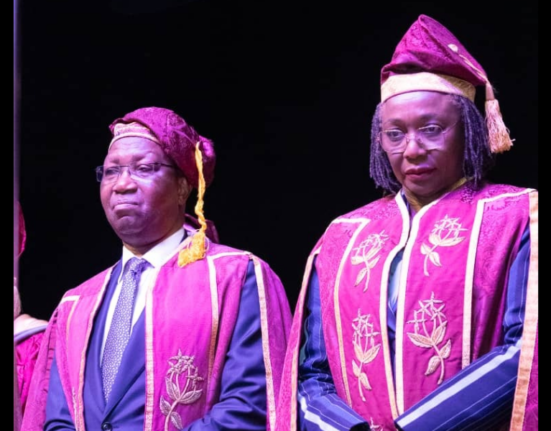
Dr Tunji Alausa, Minister of Education, at the formal presentation of the UBEC’s initiative
Over the years, the media has reported that billions of naira meant to improve Nigeria’s basic education system have not been accessed by the states. Now, President Bola Ahmed Tinubu has approved a bold plan to disburse these long-dormant Universal Basic Education Commission (UBEC) funds to state governments, reopening conversations about equity, accountability, and the future of Nigeria’s classrooms.
The initiative, driven by Minister of Education, Dr Tunji Alausa, aims to clear a five-year backlog of matching grants from 2020 to 2024. According to federal officials, states have already started receiving notifications of their entitlements. Ogun State, for instance, is expecting over N7.8 billion, a sum that could drastically improve classrooms, teacher training, and learning materials.
Nevertheless, beneath the good news is an old problem: the UBEC Act requires states to provide 50% counterpart funding before they can access the federal grants. Many governors simply cannot raise their share, especially in states with weak internally generated revenue. This has trapped an estimated N64 billion, leaving millions of children without hope of quality education.
The Nigeria Governors’ Forum (NGF) says this system is no longer sustainable. NGF Education Advisor, Dr Ebenezer Leo The Great, explains that while the law was designed to ensure joint responsibility, it has ended up punishing poorer states. “We do not have states with the same fiscal balance,” he said. “Some can afford the counterpart funds; many cannot. Nevertheless, the children in those states still deserve education.”
He argues that Nigeria cannot continue insisting on a payment structure that indirectly keeps over 20 million children out of school, despite the UBEC Act making basic education “free and compulsory.” The NGF is pushing for an amendment to reduce the counterpart funding requirement and allow even the poorest states to access the funds.
The federal government, however, believes the new strategy of proactive disbursement—combined with data-driven guidance for governors—will encourage more accountability at the state level.
As debates continue, one fact remains clear: Nigeria is at a crossroads. Unlocking UBEC funds may finally clear the path toward safer classrooms, better teachers, and a future where every Nigerian child gets a fair chance. However, unless both tiers of government work together, these billions may change little on the ground.



Leave feedback about this