15 September 2026
Features

The Long Road to the VC’s Office: Inside Women’s Leadership Battle in African Universities

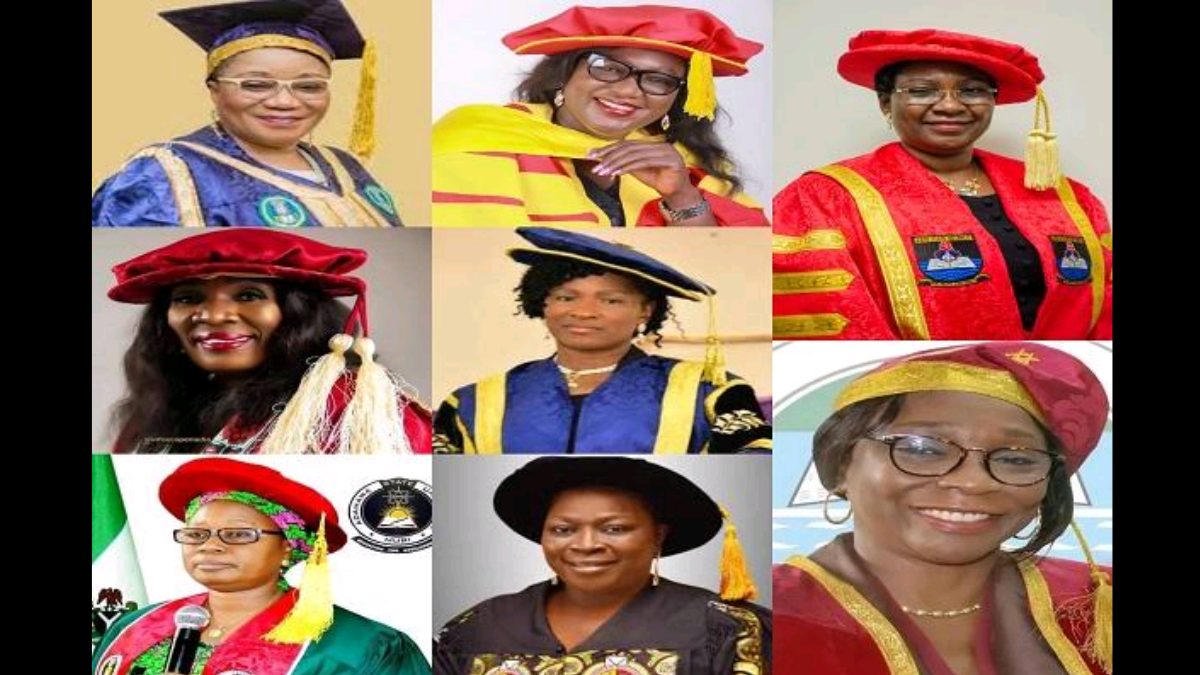
Some Female Vice-Chancellors in Nigeria Across Africa, women have made significant gains in education, research, and academic participation. However, when it comes to leading universities, they remain largely shut out. Studies from Uganda, Ghana, Tanzania, and South Africa all reveal the same picture: men occupy almost all Vice-Chancellor (VC) positions. Even countries with strong higher

Read More
Features

FEC’s ₦68.7bn Power Boost Sparks Hope as Universities Battle Darkness, Debt and Decline

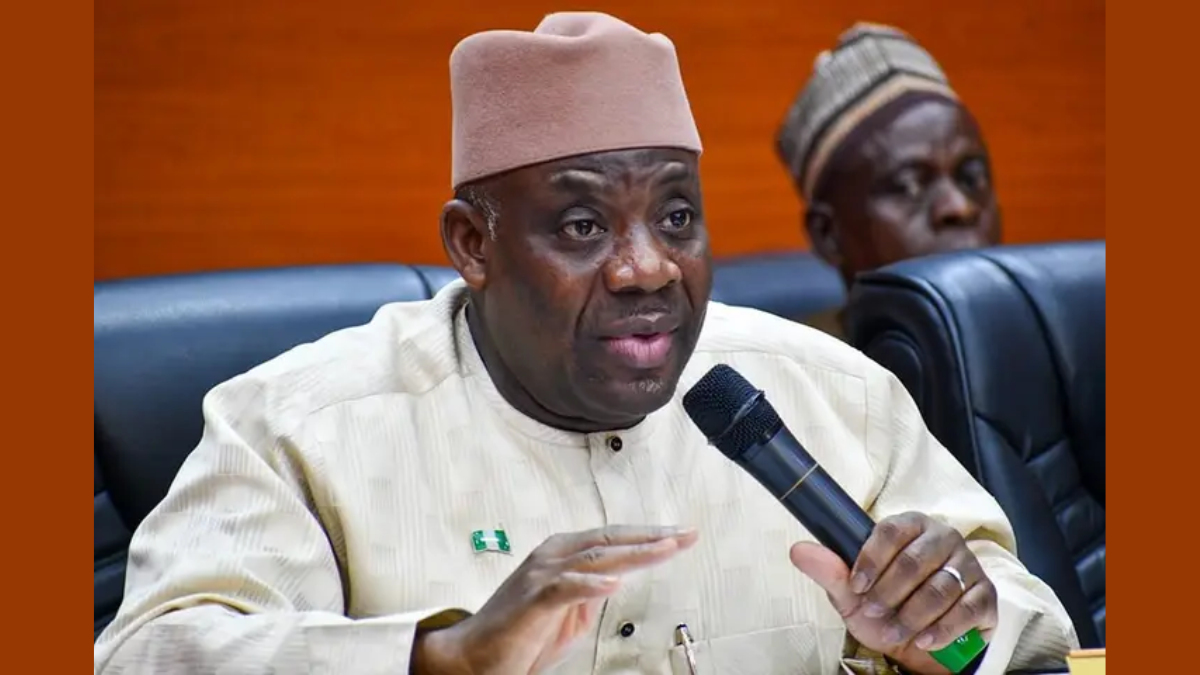
Adebayo Adelabu, Minister of Power Nigeria’s troubled higher education sector may finally breathe easier after the Federal Executive Council (FEC) approved ₦68.7 billion for electricity projects across universities and teaching hospitals. The announcement, made by Minister of Power Adebayo Adelabu, comes at a time when many public institutions are buckling under crippling electricity tariffs and

Read More
Features

The International Image Crisis Caused by Nigeria’s Stranded Scholars

Nigerian government–sponsored scholars protests on London streets When Nigerian government–sponsored scholars stand on foreign streets to beg, sleep in train stations, or appear in global newspapers protesting unpaid stipends, the consequences go far beyond personal suffering. What emerges is a slow-burning international image crisis—one that paints Nigeria as unreliable, unstable, and unable to fulfil its

Read More
Features

Inside the Controversy Over Nigeria’s Costly Foreign Scholarship Programme

Dr. Tunji Alausa, Minister of Education The Federal Government’s decision to scrap the Bilateral Education Agreement (BEA) scholarship has opened a heated national debate. At the centre of the argument is a simple but troubling question: Is Nigeria really spending too much to train just 1,200 students abroad—or is the programme a victim of poor

Read More
Features

How Nigeria’s Outdated Military Training Curriculum Impacts National Security Readiness

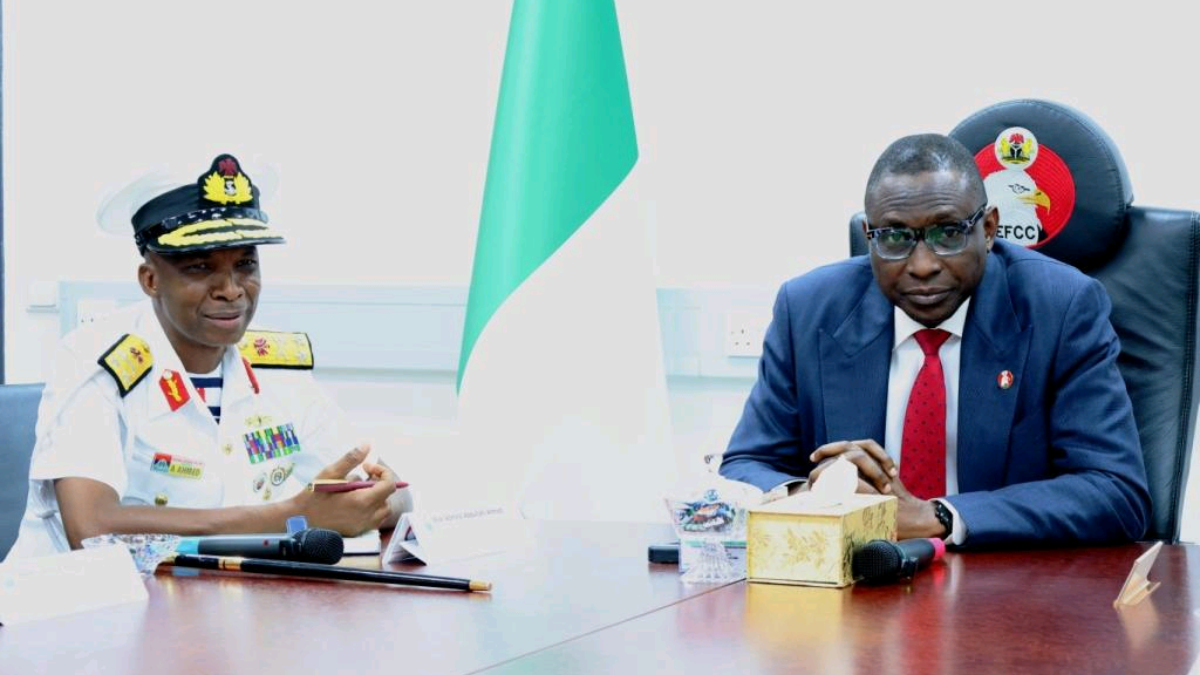
Rear Admiral Abdullahi Ahmed, Commandant of the National Defence College (NDC), with EFCC Chairman Ola Olukoyede in Abuja When the Commandant of the National Defence College (NDC), Rear Admiral Abdullahi Ahmed, admitted openly that the institution’s curriculum is outdated, he echoed a longstanding warning that has trailed Nigeria’s defence architecture for years. During his recent

Read More
Features

The Budget Crisis Killing Agricultural Innovation

Professor Baba Yusuf Abubakar, former Executive Secretary of the Agricultural Research Council of Nigeria (ARCN) Nigeria’s agricultural dream is collapsing quietly — not because farmers are unwilling to work, but because the country’s research institutions, the engine room of innovation, are running on empty. An investigative look into the budget structure of these institutes reveals

Read More
Features

Are Nigerian Universities Ready for Knowledge Commercialisation?

Prof. Adenike Oladiji (2nd right), FUTA’s Vice-Chancellor, at the institution’s 36th convocation ceremony For years, Nigeria has looked to its universities with hope — hope that they will produce ideas, technologies, and solutions strong enough to lift the country out of its many challenges. Now, President Bola Tinubu has renewed that call, urging the nation’s

Read More
Features

Inside Nigeria’s Failing Hostels: Students Battle Dirt, Overcrowding and Neglect

Students of the University of Lagos (UNILAG) protested over the state of their hostels Hostels are meant to be a safe place for students to rest, think and learn. However, in many public universities today, the story is different. Instead of comfort, students say they now live in fear, dirt and congestion. What should be

Read More
Features

Why Students May Suffer Most if WAEC’s Digital Transition Is Suspended

As the House of Representatives pushes for the suspension of WAEC’s plan to introduce Computer-Based Testing (CBT) by 2026, many education experts warn that slowing down this transition may hurt the students the lawmakers are trying to protect. While concerns about power supply, internet access and computer availability are valid, some educators argue that delaying

Read More
Features

Why Nigeria’s Mother Tongue Educational Policy Failed Before It Even Began

When the Federal Government formally cancelled the 2022 National Language Policy and restored English as the universal language of instruction, many Nigerians were not surprised. To them, the mother-tongue policy did not fail in 2024 — it failed long before it even started. Across the country, from Lagos to Maiduguri, teachers, linguists and education experts

Read More