
The federal government has restated its commitment to building an inclusive school system in the country, where every learner, regardless of gender, disability, socio-economic status, or background, will be welcomed, protected, and empowered to succeed.
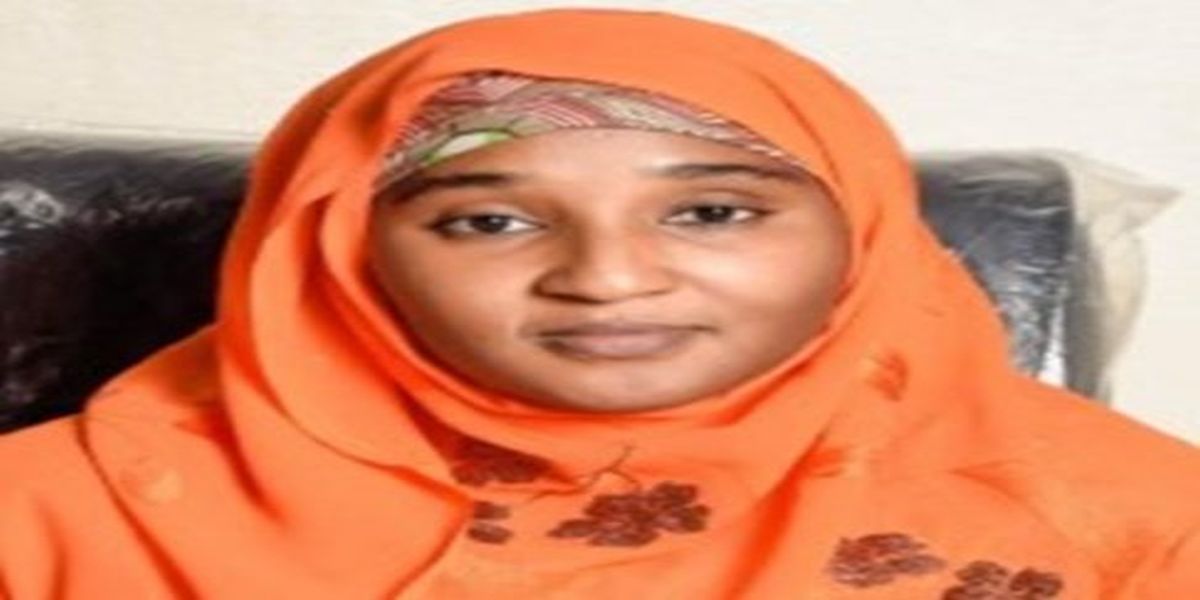
Speaking Thursday in Abuja, at the opening ceremony of a two-day workshop for special education officers from the 36 states and the FCT, organised by the National Senior Secondary Education Commission (NSSEC), the Minister of State for Education Prof. Suwaiba Sa’idu Ahmad, said Nigeria’s National Policy on Inclusive Education was developed to remove barriers to learning, ensure equity, and improve access to quality education for all especially learners with disabilities and those facing systemic disadvantages.
Represented by the Deputy Director Science and Technology Department, Federal Ministry of Education, Mr Kehinde Olu Osinaike, Prof Ahmad said the theme of the workshop, “Promoting Inclusive, Safe, and Gender-Sensitive Learning Environments for All”, speaks directly to the federal government’s shared vision for the National Policy on Gender Education, which provides a framework for eliminating gender disparities and ensuring that both girls and boys have equal opportunities to access, participate in and benefit from education.
She said: “As we all know, policies are only as effective as their implementation. This workshop is a crucial step in translating these policies into practical, everyday actions. We must go beyond rhetoric. Inclusive education means providing accessible facilities, adaptive learning tools, flexible curricula, and a culture of acceptance that embraces diversity. It also means listening to the voices of marginalised learners and putting safeguards in place to ensure no child is left behind.”
She continued, “The Renewed Hope Agenda of Mr. President remain committed to advancing inclusive and equitable education. Our support for the Safe Schools Declaration, the Child Rights Act, and the National Policy on Inclusive Education reflects our belief that every child has the right to learn in an environment that is safe, inclusive, and gender-responsive. You are not just observers; you are catalysts for change. Your roles are central to ensuring that inclusive education becomes the norm, not the exception. You are expected to monitor, advocate, intervene, support, and educate in a way that is inclusive of all learners, including those with physical challenges and other marginalised groups. Over the next two days, you will be equipped with tools and strategies to translate inclusive education policies into practical, school-level actions; address and prevent Gender-Based Violence and discrimination in all forms; promote inclusive, gender-sensitive leadership and create a school culture that celebrates diversity; partner with community organisations, social services, and security agencies to ensure holistic protection for learners. I urge you to engage in every session fully. Bring your insights, ask difficult questions, and share innovative solutions. Let this workshop not only expand your knowledge but deepen your resolve to act decisively for the benefit of all learners.
“I call on all stakeholders: federal and state ministries, school administrators, development partners, civil society groups, religious and traditional leaders, parents, and the media to join hands in promoting inclusive, safe, and gender-sensitive learning environments for all. Every child matters. Every learner deserves to be seen, heard, and supported. A truly inclusive and protective school system is not just about Infrastructure or policies; it is about justice, dignity, and hope. When we make room for every child, we are investing in the heart and future of our nation. I commend NSSEC for its leadership in organising this important workshop and for keeping the call for inclusive and gender-sensitive education at the centre of our national discourse. And to our participants, go back to your states not just with reports but with renewed vision, stronger tools, and an unwavering commitment to make our schools safe, inclusive, and equitable for every learner.”
Also speaking, the Executive Secretary of the National Senior Secondary Education Commission (NSSEC), Dr Iyela Ajayi, said the goal of the workshop is to transform Nigeria’s senior secondary schools into true sanctuaries of learning, where every child, irrespective of their abilities, gender or background, feels valued, safe and is allowed to achieve their full potential.
He said, “This workshop could not be more timely. It is a direct and practical contribution to the Renewed Hope Agenda of Mr. President, which is firmly committed to advancing inclusive and equitable education. This national commitment, demonstrated through active support for the Safe Schools Declaration and the Child Rights Act, sets the agenda for our work. Furthermore, under the leadership of the Honourable Ministers of Education, the developmental focus has shifted decisively from policy formulation to concrete action. There is a clear mandate to move beyond rhetoric and translate our foundational policies, such as the National Policy on Inclusive Education and the National Policy on Gender Education, into tangible, everyday practices in our schools.
“This workshop is NSSEC’s strategic response to that national call. We believe that for change to happen, we must empower the frontline officers who are the direct link to our schools and communities. As Special Education Officers, you are the architects of inclusion in our educational system. You are the advocates, the monitors, and the support systems that ensure our policies translate into meaningful action. Your role is central to dismantling barriers, fostering a culture of acceptance, and ensuring that no learner is left behind. Over the next two days, we have assembled a team of expert facilitators who will delve into the practical strategies for implementing inclusive practices, addressing Gender-Based Violence, and developing school improvement plans that are both inclusive and gender-responsive”, he stated.
He concluded, “I urge you to participate actively, share your unique experiences from your various states, ask challenging questions, and collaborate on building sustainable solutions. Let us leave this workshop not just with new knowledge but with a renewed passion and a unified commitment to make every senior secondary school in Nigeria a beacon of inclusivity, safety, and equity.”
Meanwhile, Chief Ayuba Burki Gufwan, the Executive Secretary of the National Commission for Persons with Disabilities, said disability is not a curse, insisting that any disabled Nigerian can navigate the education system if determined.

Leave feedback about this