
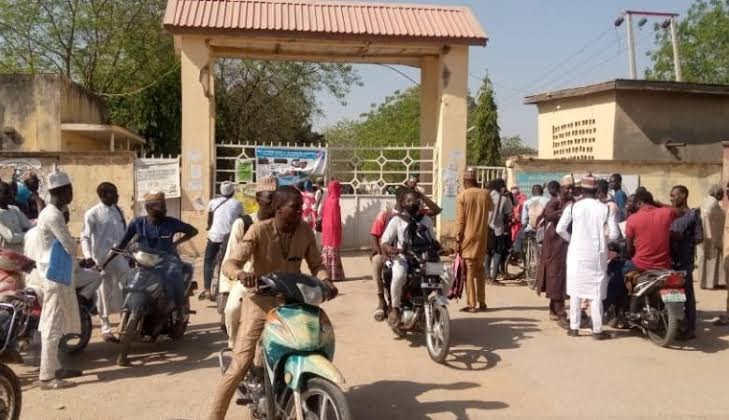
In most parts of Northern Nigeria, school gates no longer swing open with the joy and excitement of learning. Instead, many now creak with fear. In places like Kano State, insecurity has become the most significant threat to education, depriving children of their right to learn and grow.
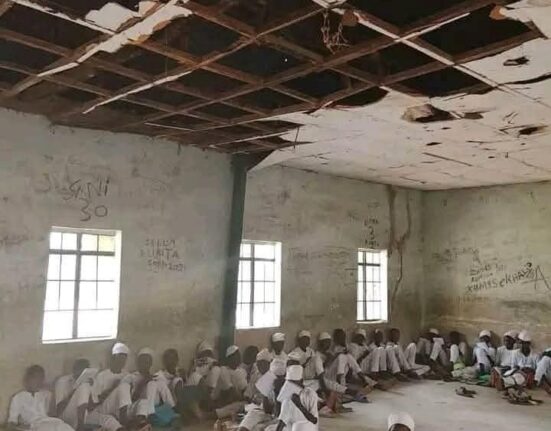
Over the years, schools in the North have become increasingly vulnerable to criminal activity. From kidnappings to vandalism and even full-scale attacks by armed groups, education has been under siege. In some communities, classrooms are abandoned, chalkboards gather dust, and the sound of children’s laughter has been replaced by silence and sorrow.
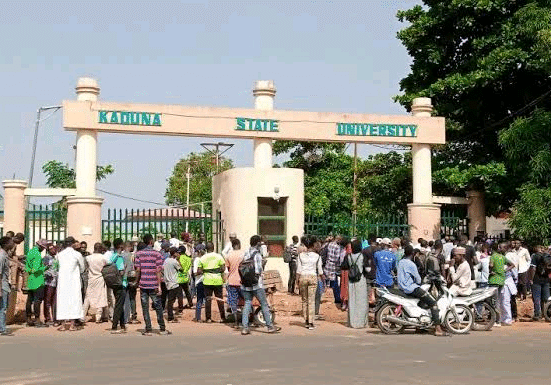
In Kano alone, many public schools now operate in fear. Parents hesitate to send their children to school, while teachers fear for their safety. “Sometimes we come to school and spend the whole day watching the gate more than the blackboard,” says Fatima Usman, a teacher in one of Kano’s public schools. “How do you teach in fear?”
This sad reality has prompted a significant response. Recently, Kano State Governor Abba Kabir Yusuf announced the recruitment and deployment of 17,600 security personnel across public schools in the state. Each of the 44 local government areas will receive 400 guards who will help protect pupils and teachers.
“We will not allow fear or insecurity to deny them the right to education,” the governor said during an official event in Kano.
While the move is widely seen as bold and commendable, many believe it is long overdue. For years, successive governments have paid lip service to the issue of school insecurity. Speeches were made, promises were given, but very little was done. Some politicians only spoke when tragedies occurred, when girls were kidnapped, or schools were burned down.
Security experts and education stakeholders have argued that if previous administrations had taken strong steps like this earlier, thousands of children would still be in school today. “We lost valuable time pretending that the school attacks were isolated incidents,” says Dr Auwalu Musa, an education consultant based in Kano. “What we are seeing now is the cost of ignoring early warnings.”
Indeed, the situation is dire. According to UNICEF, millions of school-age children in Northern Nigeria are out of school, and insecurity plays a significant role. Even when schools are open, fear keeps many students at home. The learning environment is no longer safe or conducive to learning.
The new initiative in Kano offers a glimmer of hope. If properly implemented, it could become a model for other states facing similar challenges. However, it must go beyond mere deployment. The guards must be well-trained, well-equipped, and consistently supervised. Education officials must also invest in trauma counselling for affected children and teachers.
Insecurity has stolen too much from the children of the North. If Nigeria is serious about building a future generation of educated leaders, then securing schools must become a national priority, not just a political talking point.
As the guards take their positions in Kano, all eyes are fixed on them. This time, the future of thousands depends on it.



Leave feedback about this