

Dhir Jhingran, founder of the Language and Learning Foundation (LLF)
In the wake of the recent federal government decision to cancel the use of mother tongue as a teaching language in schools, experts at the Language in Education International Conference 2025 have called for a rethink. They have suggested that the government adopt a balanced approach that combines local languages and English in early childhood education.
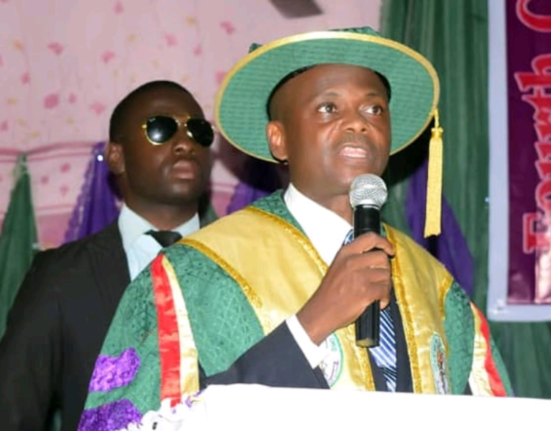
Dhir Jhingran, founder of the Language and Learning Foundation (LLF), said language is more than just a subject in school. “Language is a tool for thinking, reflecting, and organising our thoughts. When children learn in a language they do not know well, it affects their ability to understand and think clearly,” he told the gathering.
Jhingran argued that children can learn both their home language and English simultaneously, and that one does not have to replace the other. He drew inspiration from India, where such a policy has been successfully implemented. He stressed that using both languages has many advantages, including helping children better understand lessons and improving overall literacy rates. He also outlined a four-part approach covering speaking, reading, comprehension, and writing, adding that each stage must respect children’s own language backgrounds.
He also urged that teacher training and recruitment policies consider local languages. “Local youth should be trained to become teachers in their own communities,” he said. “Many programmes fail because they focus only on English without proper support in the mother tongue teaching.”
Meanwhile, Education Minister Maruf Tunji Alausa reiterated the Federal Government’s position. In a bid to ensure quality learning nationwide, he said English will remain the language of instruction from pre-primary through tertiary levels. He explained that recent data showed poor outcomes in states that had tried other language policies.
“We must have honest conversations. Some language policies did not work well, so we had to take bold steps to protect learning,” the minister said. He added that President Bola Ahmed Tinubu is committed to fixing education, even if it means taking difficult decisions.
Experts say the key is not to abandon local languages, but to use them wisely alongside English. This approach, they argue, can be instrumental in helping children build strong literacy foundations, think more clearly, and maintain their cultural identity, thereby preparing them for the challenges of the 21st century.




Leave feedback about this