
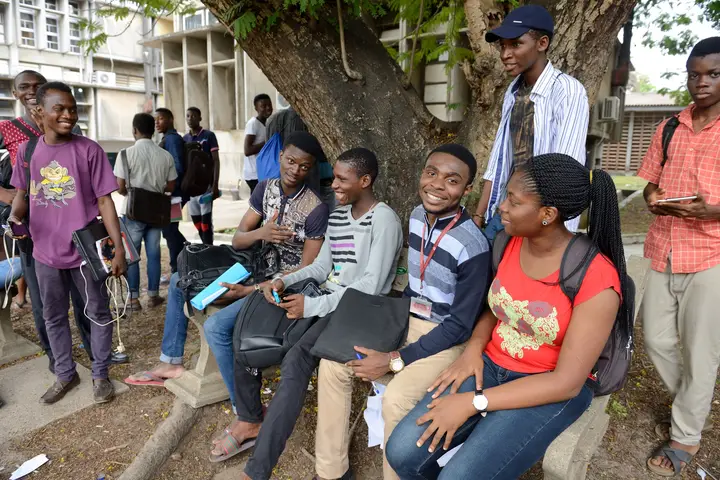
The Nigerian economic situation may have stabilised recently. However, situations on the ground are still far from normal, as most Nigerians continue to struggle with the high cost of basic commodities. This biting economic situation has had a severe impact on many Nigerian students, who have now been pushed into a state of survival. Across campuses, students are now struggling to cope with the rising costs of transportation, food, and accommodation — a situation exacerbated by the removal of fuel subsidies. For many undergraduates, the cost of travelling back to school has more than doubled. Some pay as high as N16,000 just to return to campus, compared to less than half that amount last year. “I paid N13,000 from Boki in Cross River to Calabar. It used to be N5,000,” lamented Eta Joy, a 200-level student at the University of Calabar.
The high cost of living has also made daily survival a struggle. On some campuses, a sachet of water now costs ₦50, while a plate of food costs around ₦800. Students report spending up to N1,500 daily on transportation and snacks alone. As a result, many now skip meals or classes just to stretch their limited funds.
Some students have resorted to small businesses to stay afloat. Otese Onyebikwe, a 400-level student of Social Work at UNICAL, said she now sells oil perfumes to support herself. “Even with the little I make, it is still hard to resume school because everything is expensive,” she said.
Experts are worried that the hardship is not just financial — it is also affecting students’ mental health. Many report feelings of depression, anxiety, and poor concentration in class. Dr Edward Augustine, a lecturer in Guidance and Counselling, advised students to “adjust to the new reality by cutting down costs and exploring entrepreneurship.” He also called on universities and the government to “provide financial support so students can focus on their studies without worrying about basic needs.”
Nigeria’s economic crisis has been driven by record inflation, which rose to a 30-year high of 22.97% before recently dropping to 18%. Food prices remain too high for many Nigerian households, as most of them struggle with low incomes that barely last until the end of the month.
A recent report by the World Bank painted a bleak picture of the Nigerian economy. The report noted that about 95million Nigerians live below the poverty line, while 25 million of those have been pushed into severe food insecurity.
Although the economy grew by 3.4% in 2024, experts believe this is too small to meet the rising cost of living. For many students, this so-called growth means little to them. Sadly, on many Nigerian campuses, survival now takes precedence over learning, a painful reflection of Nigeria’s deepening economic struggles.





Leave feedback about this