
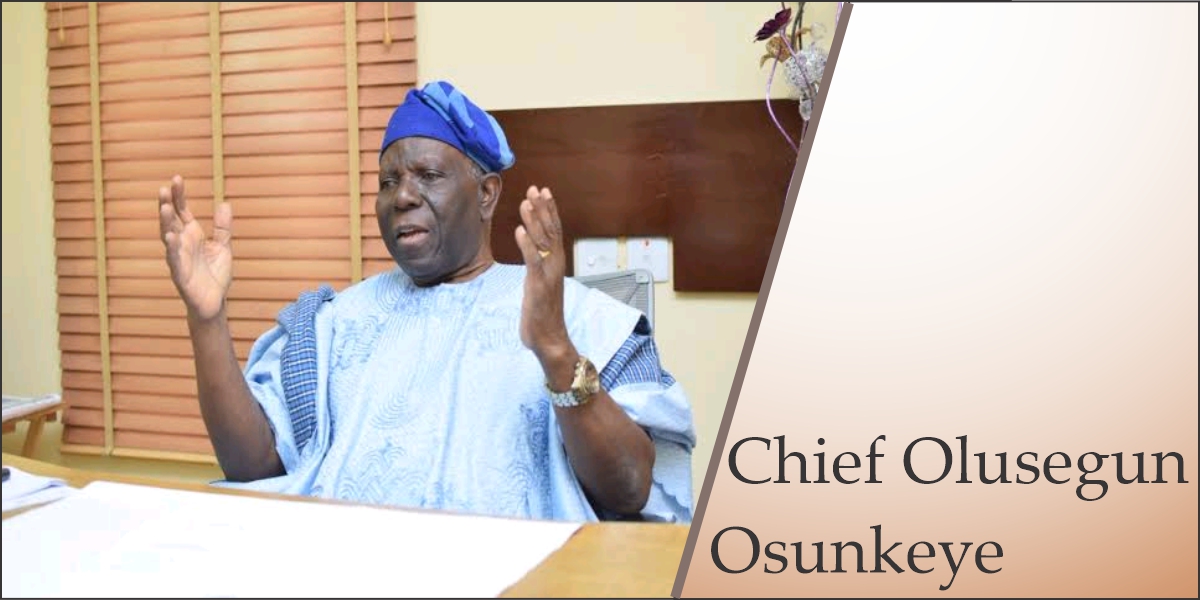
As Nigeria grapples with economic uncertainty and youth unemployment, veteran boardroom figure Chief Olusegun Osunkeye believes the country’s education system must be restructured to address national needs.
Speaking on the occasion of his 85th birthday, Osunkeye argued that universities and colleges are not producing graduates who can tackle Nigeria’s pressing challenges. We have universities of agriculture, yet many graduates do not practise farming. These institutions should be making and supplying food for their catchment areas,” he said. The same principle, he added, should apply to institutions of technology and engineering. “When universities are designed to train problem-solvers who serve society directly, the nation benefits.”
He also urged greater emphasis on technical and vocational training, stressing that skills such as electrical work, refrigeration, plumbing, and nutrition are critical to everyday life. “If students are properly taught in these areas, they can earn livelihoods while meeting essential needs in society,” he said.
His reflections echo broader debates about the mismatch between university degrees and Nigeria’s job market. Despite hosting dozens of universities, the country continues to struggle with youth unemployment, food insecurity, and a shortage of skilled technical workers.
For Osunkeye, who studied accountancy in Nigeria and the UK before a distinguished career at Nestlé, the formula for progress is straightforward: education, discipline, and diligence. “Without education, you are severely limited,” he said, urging young people to embrace learning as the foundation for success.


Leave feedback about this