

In June 2025, reports emerged of a Nigerian university professor selling vegetables at a local market in North-Western Nigeria. On the surface, it seemed an unusual story, yet it underscores a deeper systemic issue. The professor, a specialist in Plant Physiology, is not trained in marketing or entrepreneurship. His turn to the marketplace was a matter of survival, not choice.
Professors in Nigeria are expected to be the intellectual backbone of the nation. They generate knowledge, shape policy, mentor students, and sustain the credibility of higher education. Finding one selling vegetables reflects more than personal hardship; it is a symbol of structural failure within the university system. Chronic underfunding, delayed salaries, and low pay force academics into side hustles, diverting time and energy from research and teaching.
The impact is both economic and intellectual. A professor worried about basic sustenance cannot focus on innovation, mentoring, or developing solutions for national challenges like food security. Overstretched academics compromise the quality of instruction and research, undermining Nigeria’s aspirations for a knowledge-based economy.
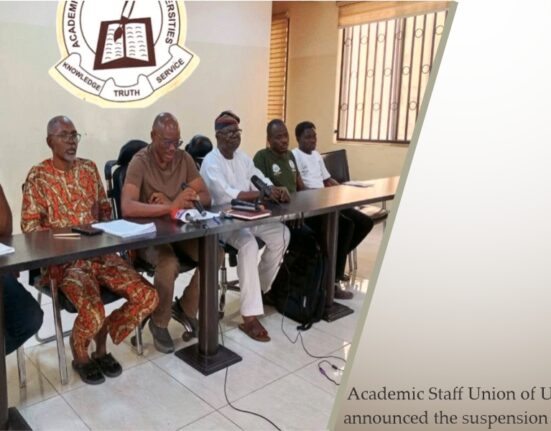
The Academic Staff Union of Universities (ASUU) has long highlighted these conditions, calling for better remuneration and funding. Their advocacy is a defence of the nation’s intellectual capital.
Investing in lecturers is not charity, it is essential for national development. Competitive pay enables academics to dedicate themselves fully to teaching and research, fostering graduates who can compete globally. Without it, Nigeria risks losing not just scholars, but the very foundations of its university system. The story of a professor in the market is a warning: undervalued academics threaten the country’s future.




Leave feedback about this