

Hon. Sam Ifeanyichukwu Onuigbo, the sponsor of the Nigerian Climate Change Act of 2021, has called for the integration of climate change education into the Nigerian school system.
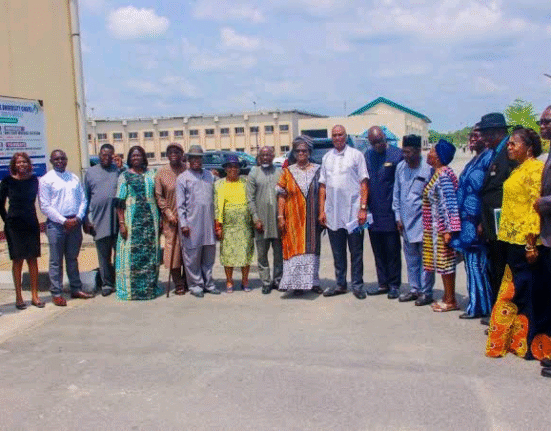
Onuigbo, a former member of the House of Representatives and current board member of the North East Development Commission, made this call during the 2025 Conference of Deans of Education in Nigerian Universities (CODENU), held at Michael Okpara University of Agriculture, Umudike (MOUAU), Abia State, on May 7, 2025.
During his keynote address, Onuigbo highlighted the Act’s importance in tackling climate change and shaping Nigeria’s educational future.
He explained that the Act’s provisions provide a unique opportunity to weave environmental sustainability into the nation’s educational framework, fostering an informed and proactive citizenry.
Onuigbo stated that by incorporating climate change into curricula and teacher training, the country could better prepare future generations to handle environmental challenges like flooding and desertification.
Onuigbo urged the Deans of Education to collaborate with relevant stakeholders, including the National Universities Commission (NUC) and the National Council on Climate Change, to implement Section 26 of the Act.
This section mandates the integration of climate change topics into educational syllabi across various disciplines.
The former lawmaker also pointed out that the National Council on Climate Change is tasked with coordinating climate action across ministries, including education, and said that educators now have a legal and moral duty to embed climate change education at all levels of schooling.
The theme of the conference, “Revolutionising Teacher Education in Nigeria: Leveraging 21st Century Methodologies, Artificial Intelligence, Emotional Intelligence, and Inclusive Education for Sustainable Development,” also stated the need for reforms in teacher education.
The Vice-Chancellor of MOUAU, Professor Maduebibisi Ofo Iwe, stressed that agricultural universities have a critical role in preparing students for the country’s agricultural and environmental challenges.
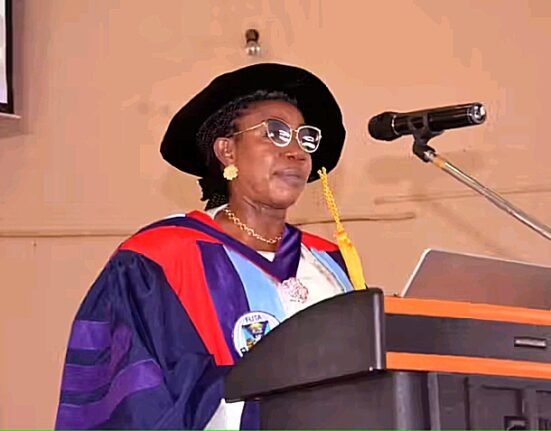
Meanwhile, the conference chair, Professor Ursula Ngozi Akanwa, described the gathering as a crucial platform for reshaping education to meet contemporary needs.
In a related paper, Dr. Lydia Onuoha, Executive Chairman of the Abia State Universal Basic Education Board, discussed the importance of digital technology in teacher professional development.
She called for a nationwide push to integrate technology into the teaching process to improve pedagogy and student outcomes.




Leave feedback about this