
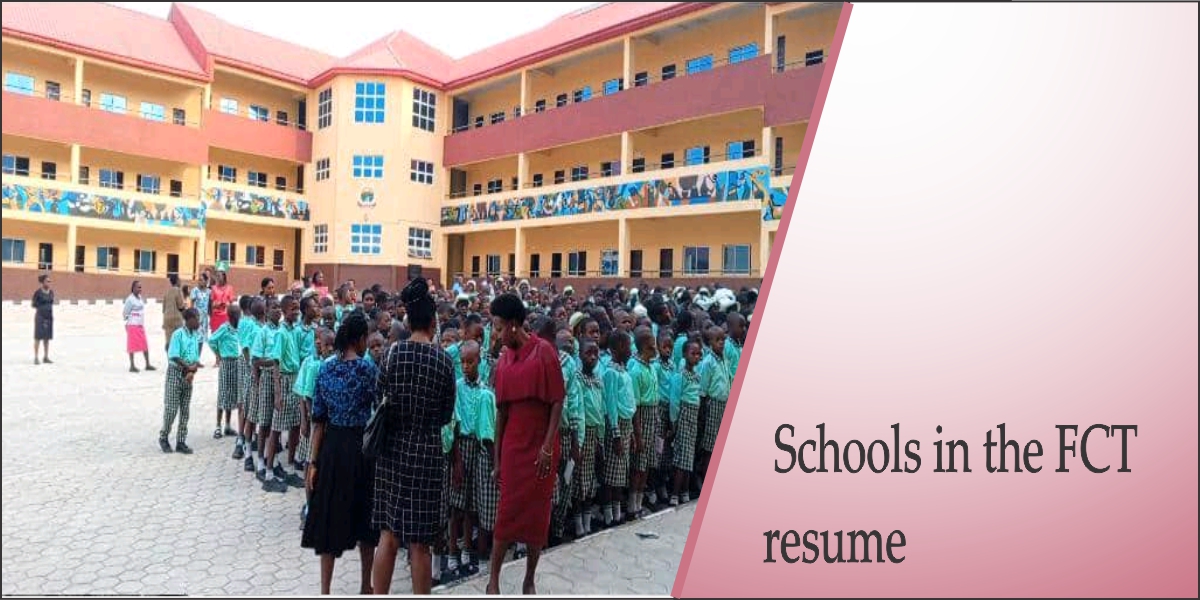
As schools in the Federal Capital Territory (FCT) resume today, many parents are expressing worry and frustration over how to meet the rising cost of their children’s education.
For many families, the start of a new academic year is no longer a joyful moment but a period of financial struggle. Inflation, unemployment, and the high cost of living have reduced the ability of parents to provide basic school needs such as fees, uniforms, books, and other materials. Indeed, the inflation rate in Nigeria has dipped slightly. As of July 2025, the National Bureau of Statistics (NBS) reports that Nigeria’s inflation rate stood at 21.88%. This is still too high for many Nigerian households.
The story of Obiageli Okoro, a single mother in Abuja, reflects what many are going through. She once had her two children in a reputable private school, but after the school increased its fees by over 30 per cent, she could no longer cope. “I tried working extra hours and borrowing, but it was not enough. I had to choose between feeding my children and paying fees,” she said. This term, she is already making plans to move her children to a cheaper school.
Another parent, Sunday Eze, who has four children, also shared his pain. “Every term, the school sends reminders about fees. Sometimes, my children are sent home, and they cry. I feel ashamed that I cannot pay on time,” he lamented.
Some parents have gone as far as crowdfunding on social media, while others are selling personal belongings to raise money for education. Ezekiel Zamber, a widower, explained that he had to sell his caravan just to pay school fees and buy learning materials. “It was a painful decision, but I could not watch my children sent home. As a parent, you sometimes sacrifice everything for your future,” he said.
Experts are warning that if the trend continues, Nigeria may experience a further decline in school enrollment and completion rates, particularly among low-income families. Already, about 17 million Nigerian children are out of school, the highest number in the world.
Education advocate Folashade Akinyemi stressed the danger: “Education should be a ladder out of poverty, but if families cannot afford it, then it only keeps them trapped.”
As schools reopen, the struggles of parents in Abuja highlight a bigger national crisis, one that threatens the dreams of children and the future of the country.

Leave feedback about this