

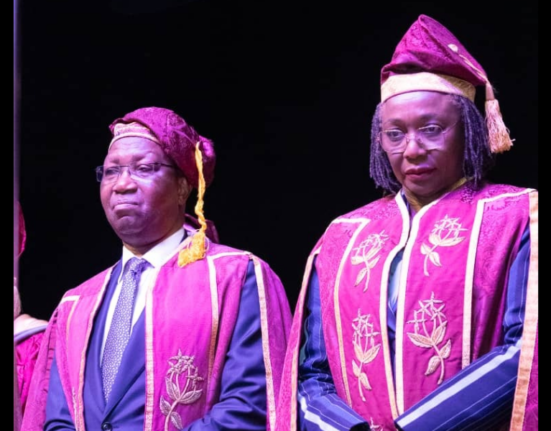
Prof. Idia Nibokun Ize-Iyamu, Chief Medical Director of the University of Benin Teaching Hospital
The first 100 days of Prof Idia Nibokun Ize-Iyamu as Chief Medical Director of the University of Benin Teaching Hospital have delivered a measured but visible shift in an institution long strained by rising demand and limited resources. Rather than public showmanship, her early tenure has focused on rebuilding systems, motivating staff and restoring confidence in one of Nigeria’s major tertiary hospitals.
Her leadership model, anchored in the acronym CARES, has begun to shape administrative culture and clinical behaviour across departments. Staff say the change is most evident in improved communication, more transparent processes and a renewed emphasis on patient-centred service.
Key clinical upgrades have defined the period. The Obstetrics and Gynaecology Department has received new equipment to improve maternal outcomes and reduce emergency delays, while the Radiology unit has strengthened its capacity, cutting long waiting times that often impede diagnosis in public hospitals.
A significant milestone has been the activation of the hospital’s medical gas plant, a critical but often overlooked pillar of emergency and surgical care. The move restores the hospital’s autonomy in oxygen supply and enhances its preparedness for crises.
Security has also been reinforced through the renovation of the hospital’s police post and the provision of patrol vehicles, measures that have improved both staff confidence and patient safety.
Attention to staff welfare has produced new facilities, including a Staff House and a crèche for working parents—investments aimed at boosting morale and retention. The hospital has also attracted external support for infrastructure and equipment, reflecting renewed trust in its leadership.
These reforms, taken together, signal a shift in direction: slow but deliberate, structural rather than cosmetic. UBTH is not transformed overnight, but its early steps under Prof Ize-Iyamu have restored momentum and a sense of possibility in the institution’s future.



Leave feedback about this