
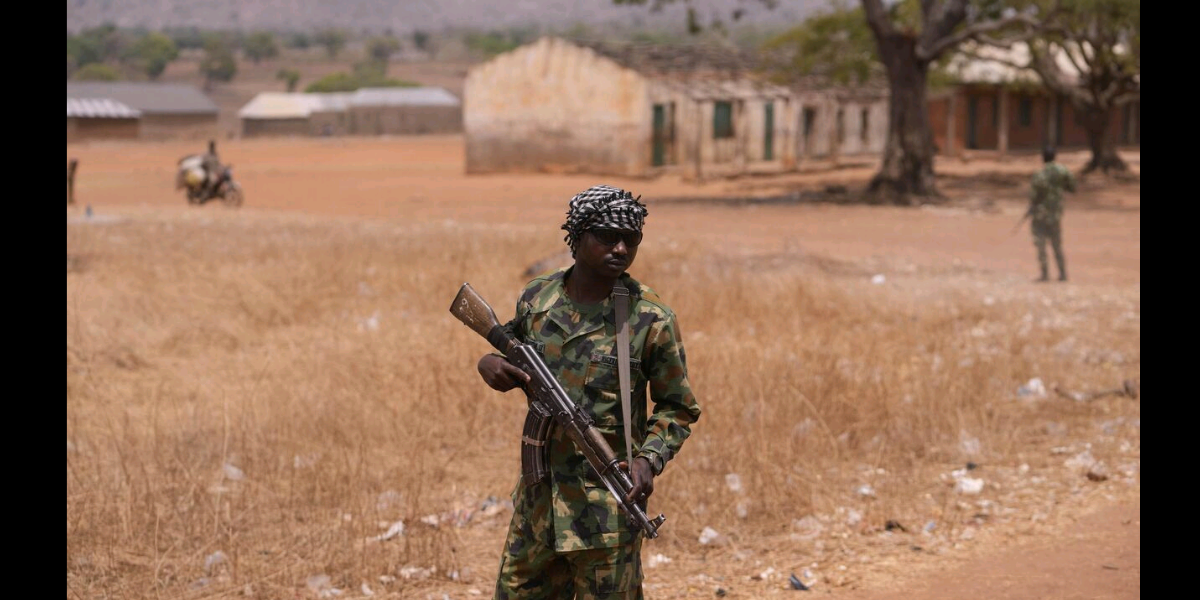
The recent decision by several northern states to shut down hundreds of schools following a sharp rise in kidnappings may look, at first glance, like a quick fix for a worsening situation. Nevertheless, this approach, according to many experts, is not just shortsighted—it presents long-term dangers that Nigeria simply cannot afford.
States like Kwara, Taraba, Niger, Bauchi, Yobe, Katsina, Benue, and Plateau have all joined the growing list of those shutting their school gates indefinitely. Nevertheless, in a bid to protect children, the government may be unintentionally handing terrorists the victory they desperately seek: fear, disruption, and national surrender.
For over ten years—from the 2014 Chibok abductions to last week’s kidnapping of 25 schoolgirls in Kebbi—terrorists have deliberately targeted schools to break the nation’s spirit.
However, shutting down schools each time an attack occurs sends the wrong message. It exposes the glaring weakness of Nigeria’s security architecture and tells the world that the state cannot safeguard even its most vulnerable: its children.
Security analysts warn that this decision to shut down schools is a dangerous signal. It suggests that the government is reacting out of fear and not strategy. According to them, each enforced closure emboldens terrorists. If one attack can disrupt the lives of thousands, then criminals learn that education is the easiest pressure point for destabilising communities.
The human implications of these closures are enormous. In most states in northern Nigeria, education is already hanging by a thread due to poverty, cultural barriers, and poor infrastructure. Temporarily closed schools often become permanently closed chapters in children’s lives. Indeed, girls are disproportionately affected. Stakeholders fear a rise in child marriage, early pregnancy, street hawking, and child labour—problems that education typically protects them from.
Nigeria is already battling learning poverty.
UNESCO reports that millions of Nigerian children cannot read or write correctly. Extended school closures will widen this gap and produce a lost generation with little or no formal education—exactly the future terrorists hope to create.
Child rights advocates argue that a more innovative approach exists. So, instead of shutting down schools, the government should boost community intelligence networks, deploy security personnel to vulnerable schools, and strengthen local vigilante structures through proper training. Afghanistan and Pakistan, two countries that have faced, and continue to record, similar attacks on schools, learned that closures only encourage more violence. What made the difference were stronger school safety frameworks, rapid response systems, and active community vigilance.
Nigeria must borrow these lessons. Protecting children is nonnegotiable, but shutting schools is the wrong solution. It weakens public confidence, harms national development, and gives criminal groups a psychological victory.
If education is truly the weapon against insecurity—as our leaders often say—then closing schools is like dropping that weapon in the middle of a battlefield. The future of Nigeria cannot be defended with empty classrooms.






Leave feedback about this