
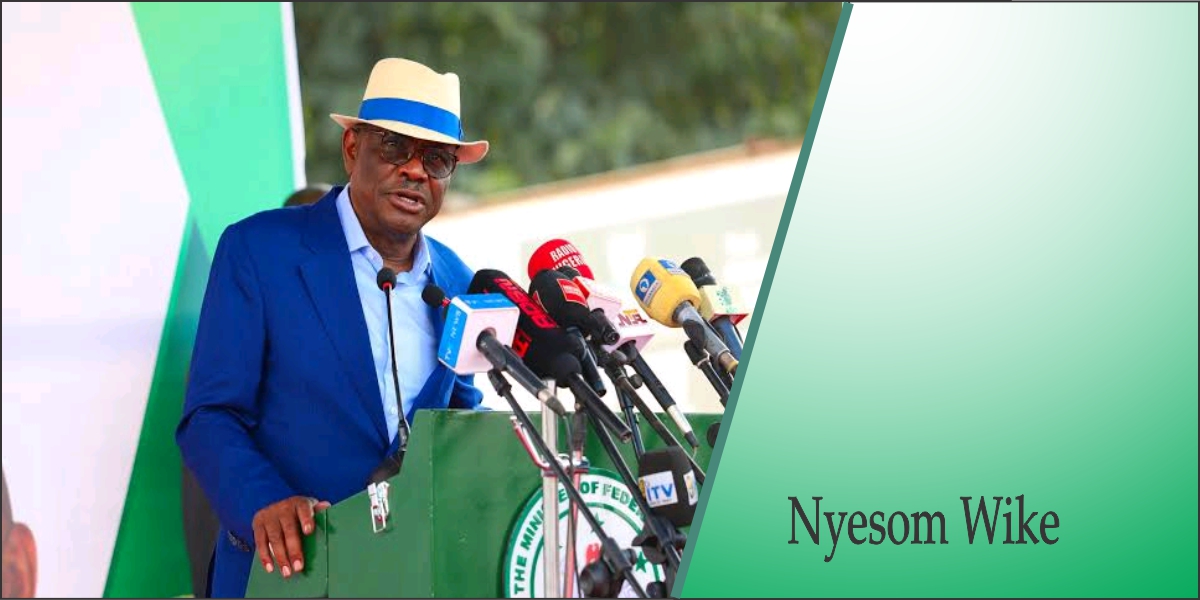
Nyesom Wike, a Rivers-born politician and current minister of the Federal Capital Territory, has transitioned from being a regional leader to a strong national political figure. His name is now known everywhere in Nigeria, both among supporters and critics. His style of politics is often studied as an example of power, strategy, and influence. Recently, the University of Port Harcourt honoured him with a Doctorate for his role in shaping modern Nigerian politics.
Wike’s political journey is full of bold moves and wise decisions that have changed national outcomes. During the 2023 presidential election, he played a significant role in the eventual victory of the All-Progressive Congress. He went out of his way to influence governors and party members in opposition to support APC’s Bola Tinubu, even while he remained a top figure in PDP.
He has also mastered the game of building alliances and controlling political structures, making sure his influence is felt in both APC and PDP. Analysts say he has redefined opposition politics by mixing party loyalty with national interest.
Unlike many old politicians who prioritise personal gain, Wike strikes a balance between power, fairness, justice, and tangible results. Without a shadow of doubt, his record in infrastructure earned applause from millions of Nigerians and endeared him to the heart of former President Muhammadu Buhari, who on several occasions praised him as the Best Governor in Infrastructure Development.
Beyond elections, Wike has shaped political careers, brokered deals, and guided leaders across the country. Now, given the accomplishment in office and the political clout he still wields in River State, though out of office as governor, many now see him as a “living institution” in Nigerian politics. His unique style, sometimes called “Wikeism,” is even becoming a topic of study for political science scholars.
From defying party norms to mentoring many political leaders, Wike has continued to leave his mark, both in Rivers State and Nigeria as a whole. His sharp strategies, focus on national interest, and practical politics make him stand out as a new model of Nigerian leadership—one that scholars now describe as the “Professor of Politics Practice.”3

Leave feedback about this