
Abia State’s new teacher screening exercise is being praised as a long-overdue move to rescue a public education system that has struggled for years. But as the applause fades, a deeper question lingers in the minds of educators and observers: Can qualified teachers alone fix a broken system?
The government’s initiative—which includes a written examination and verification process—is designed to weed out unqualified personnel from the teaching profession. For many, it is a bold and welcome shift. “This is the right process,” said Udun Nina Christina, a screening participant. “We need educated teachers in our schools, not those who are unqualified.”
Another candidate, Okwere Senyonomuna, echoed the sentiment. “This exercise will help us get the right teachers for our children. It’s a step in the right direction.”
Yet, in classrooms across the state, teachers who have been in the system for years are more measured in their optimism. For them, while competence is crucial, it is far from the only problem.
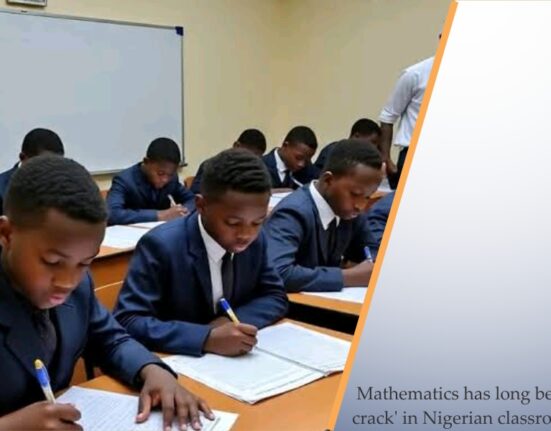
“Let’s be honest, it’s not just about training or screening,” said Mrs. Amaka Igwe, a teacher at a public primary school in Umuahia. “I have 82 pupils in one classroom with no fan, no whiteboard, and only 15 chairs. How do I teach effectively, even if I have a PhD?”
Another secondary school teacher in Aba, who preferred not to be named, described her teaching environment as “a glorified open field with leaking roofs and no textbooks.” She applauded the screening process but warned that it risks becoming cosmetic if the structural problems are left untouched.
Indeed, education experts argue that teacher quality is just one pillar of a successful school system. Infrastructure, class size, consistent salaries, access to learning materials, and administrative accountability all work hand in hand.
Still, Abia’s move remains significant. It sets a precedent and sends a message: standards matter. It could also motivate teachers to take professional development more seriously.
What comes next, however, is critical. Without massive investment in facilities, better funding, and a commitment to student welfare, Abia may only be treating the symptoms, not the disease.
The screening may be the first step—but the journey to true education reform in Abia will require far more than tests. It demands the political will to see the full picture and act on it.
States
Will Screening Truly Fix Abia’s Schools?

Related Post
Leave feedback about this