
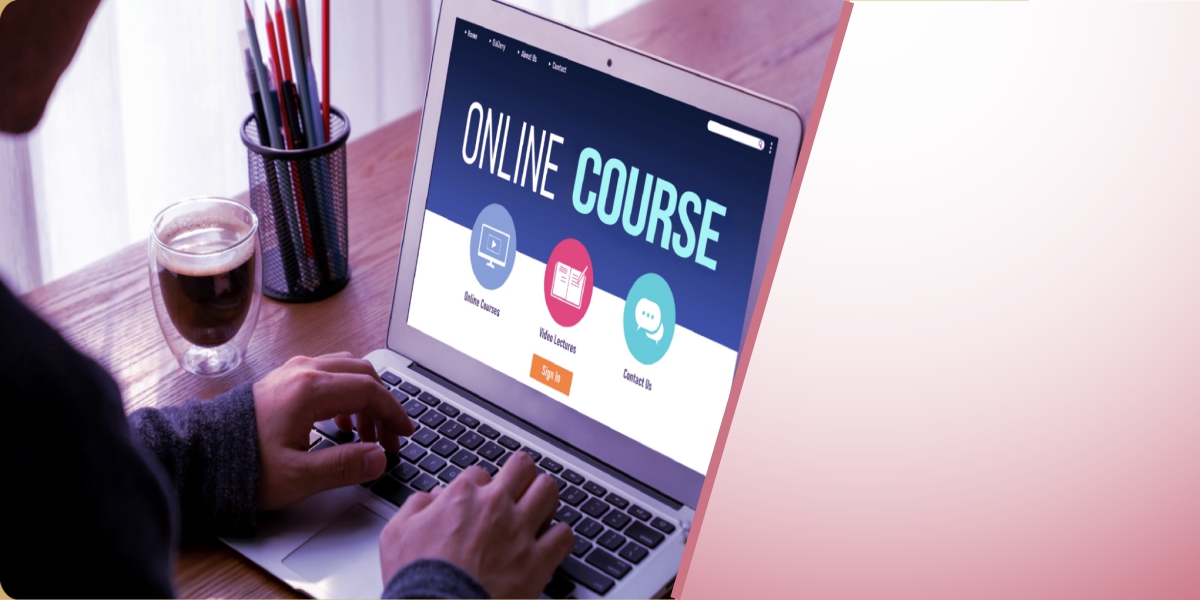
It is no longer news that the Nigerian economy has been facing challenging times, leaving many citizens struggling to make ends meet. Now, in a bid to stay above the curve, many people are on a desperate quest for side hustles. Even those with stable jobs are seeking additional income. This surge has created a thriving market for online classes. Almost every week, new “masters” and “coaches” are selling courses on how to make money, become an influencer, or start a business.
Nevertheless, Nigerians are beginning to ask tough questions. Many people claim to have paid for online courses, only to learn little or nothing of value. Recently, popular influencer Amarachi Amusi, better known as Ashmusy, faced heavy criticism after announcing her “Social Media Money” class priced at ₦36,750. The backlash was so much that she had to lock her Instagram comments.
Many Nigerians believe such classes are nothing but a waste of money. Still, not all online training is a scam. Some actually deliver value. Take, for example, celebrity chef Hilda Baci, who has been praised for her masterclasses, where participants said they gained cooking and digital skills.
Now, the question is, how can you tell the difference? Experts say before you pay for any online class, focus on these three things:
1. Who is the teacher?
Do not be deceived by flashy cars and Instagram lifestyles. A good teacher must have real experience and results in their field. As media analyst Chika Okafor explains, “Someone showing off wealth online does not mean they can teach you how to succeed.”
2. What exactly are you paying for?
Be careful of vague titles like “How to Make Money Online.” A serious class should clearly state the modules, skills, and outcomes. If you cannot see what you will gain at the end, keep your money.
3. Is the price worth it?
Some classes cost ₦30,000 or more, but the same lessons may be available for free on YouTube or at a lower cost on global platforms like Coursera, Udemy, or Khan Academy. Expensive does not always mean better.
A Global Trend
The problem is not unique to Nigeria. In Kenya and South Africa, young people also complain about paying for “get rich quick” online coaches who recycle free information. In some cases, governments have even warned citizens about unaccredited online schools.
The Bottom Line
Online learning is a powerful tool, but Nigerians must be wise. Before you pay, verify the teacher, content, and price to ensure accuracy. Otherwise, you may end up with empty pockets and no skills.

Leave feedback about this