
The Federal government has confirmed that a revised national curriculum for primary, secondary, and technical schools will take effect from the start of the 2025/2026 academic year.
The overhaul aims to reduce content overload and equip students with skills for the modern economy. Senior secondary pupils will study subjects including programming, artificial intelligence, data science, and cybersecurity, while project-based work will be introduced to promote practical learning and innovation.
Folasade Boriowo, Director of Press at the Ministry of Education, said preparations for the rollout were complete, adding that the new framework specifies subject loads for each level. Primary 1–3 students will study nine to ten subjects, Primary 4–6 pupils 10–12, junior secondary students 12–14, senior secondary students eight to nine, and technical school students nine to 11 subjects.
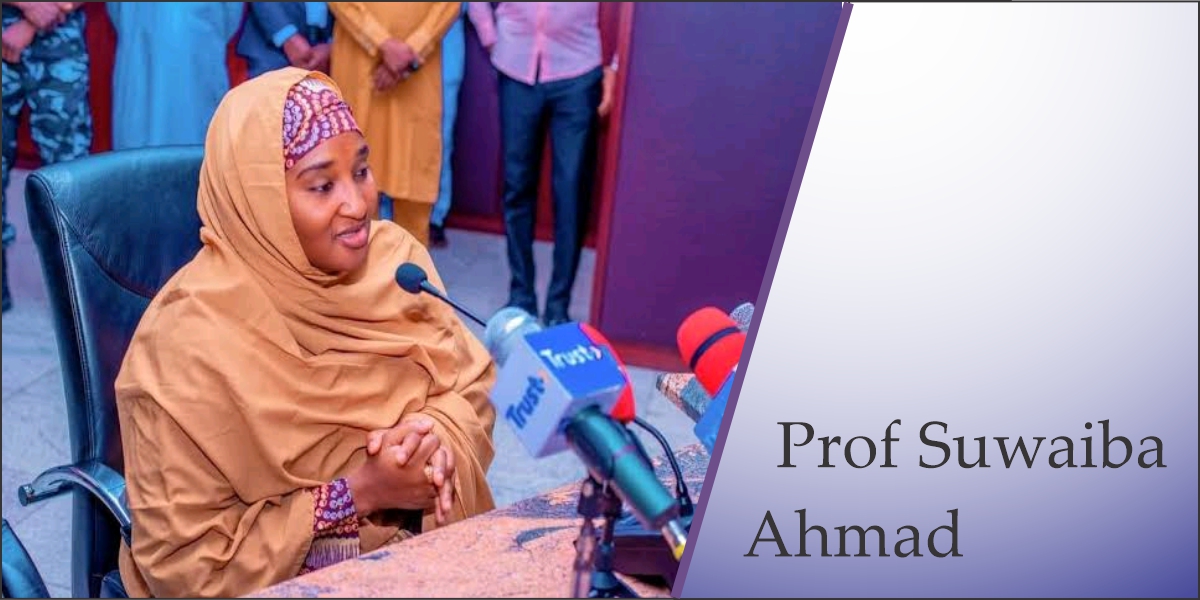
Minister of State for Education, Prof Suwaiba Ahmad, said the policy aims to make Nigerian learners “future-ready” by strengthening practical and digital skills. Implementation will involve teacher training, provision of learning materials, and partnerships with private sector firms to support digital infrastructure.
Education officials said the changes respond to concerns that graduates lack practical skills required by employers and seek to align Nigeria’s education system with global standards.




Leave feedback about this