
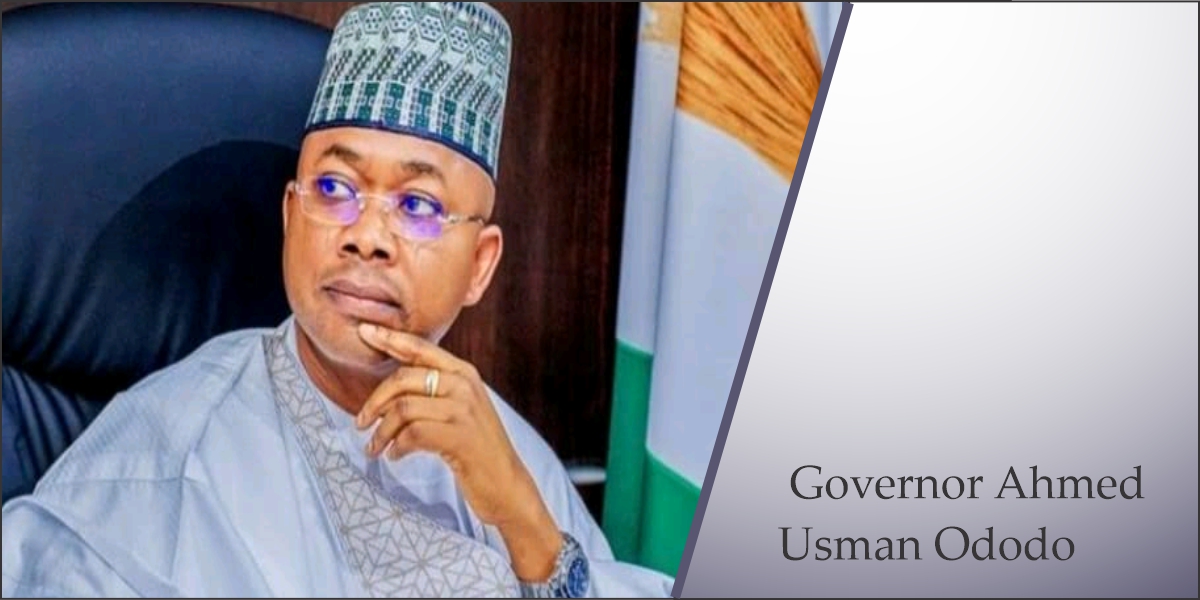
Kogi State’s education system is facing a deepening crisis as years of poor funding, dilapidated infrastructure, and staff shortages collide with a sharp increase in tuition fees across state-owned tertiary institutions.
Primary and secondary schools across the state are already struggling. Many classrooms are in disrepair, libraries and laboratories remain unequipped, and qualified teachers are in short supply. Records show that the state needed almost 10,000 secondary school teachers in 2022, yet less than half of that number were recruited. Many of those hired have since left for better opportunities.
At the primary level, teacher shortages have persisted for more than a decade, with those still in service often demotivated by irregular salaries, poor promotion prospects and difficult working conditions. Attempts to extend retirement age for teachers have failed to ease the pressure, as state payroll policies continue to remove staff once they reach 35 years in service.
Against this backdrop, students in higher institutions now face a tuition hike of more than 100% at universities and polytechnics across the state, including Prince Abubakar Audu University in Anyigba, Confluence University of Science and Technology in Osara, Kogi State University in Kabba, and Kogi State Polytechnic in Lokoja.
For students from poor backgrounds, the rise could prove insurmountable. Many fear they will be forced out of school entirely, losing what may be their only route to a better future. Critics say the move amounts to denying young people their constitutional right to education and risks worsening poverty levels across the state.
Observers argue that without urgent intervention, Kogi’s education system will continue to erode. They call for a review of the new fees, as well as investment in infrastructure, teacher recruitment and proper funding to realign the state’s schools with international best practices.



Leave feedback about this