
There was a time when Nigerian universities stood tall among the best in Africa. In the 1980s and early 1990s, Nigerian graduates, especially doctors, were highly sought after worldwide. Today, the story has changed. Many Nigerian degrees now struggle for recognition abroad, and even at home, employers question the quality of graduates.
Years of neglect, underfunding, and constant strikes by the Academic Staff Union of Universities (ASUU) have crippled the nation’s tertiary education. Nevertheless, while the decline affects the whole country, the South still fares far better than the North — a reality that has become Nigeria’s silent crisis.
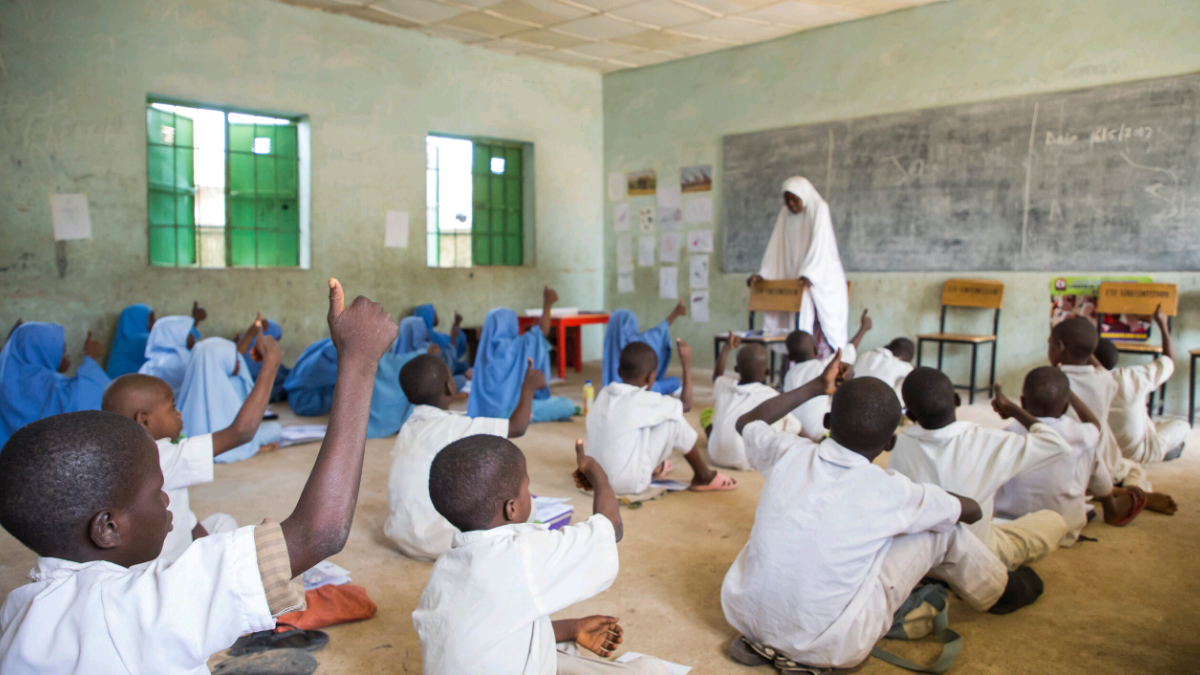
Education experts say the problem in Northern Nigeria runs deeper than the universities. From the primary school level, many children are already left behind. According to research, some northern states, such as Jigawa and Yobe, have less than 10 per cent of girls in school, and even fewer complete their education. Out of Nigeria’s ten states with the highest number of out-of-school girls, all are in the North.
The result of this imbalance is devastating. For instance, data show that Imo State alone produces more JAMB candidates each year than the entire Northwest and Northeast combined. This is alarming, as it implies that millions of children, especially Northern girls, are usually denied the chance to compete in the national education system.
However, this crisis started long ago, as the Northern leaders, who dominated national politics for decades, failed to invest in education in their region. As a result, poor infrastructure, unqualified teachers, and early child marriage continue to keep children—particularly girls—away from classrooms.
Some governors, such as Ibrahim Shema of Katsina, have made efforts to improve the situation, introducing free basic education and enhancing school facilities. However, experts say the scale of the problem requires a national solution.
A proposed “Northern Nigeria Education Commission” could help bridge this significant gap, similar to how the Niger Delta Development Commission was established to address poverty in the oil-rich region. When created, such an agency of government could coordinate reforms, improve teacher training, and reward families that send their children—especially girls—to school.
If this imbalance is not addressed urgently, Nigeria risks creating an educational crisis in which one region is well-educated and ready for global competition, while others remain underdeveloped. At the same time, the other remains trapped in ignorance and poverty, becoming a significant burden and drawback on the country’s aspirations. For a country that aspires to greatness, that is a future too costly to contemplate.


Leave feedback about this