
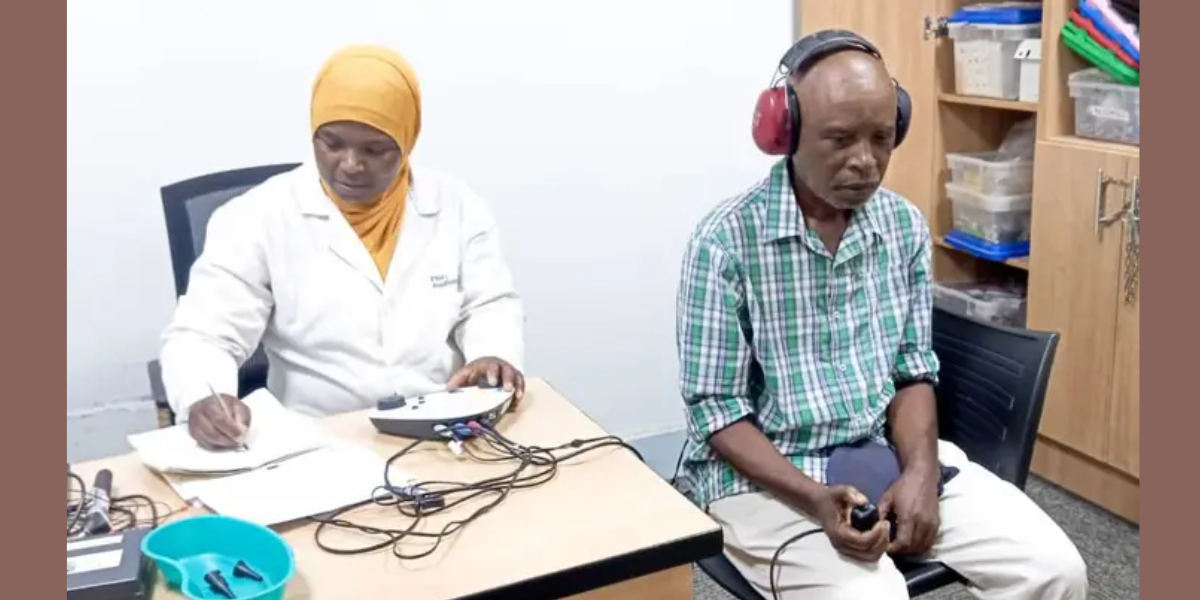
Audiologists and speech-language therapists
In hospitals, classrooms and rehabilitation centres across the world, an often-overlooked group of professionals is quietly transforming lives in ways most people rarely notice.
Audiologists and speech-language therapists are not the most visible faces of global healthcare, yet their work shapes how millions hear, speak, swallow, learn and participate in society.
Their importance is becoming harder to ignore. Global estimates show that 1.57 billion people, around one in five, live with some degree of hearing loss. By 2050, that number could rise to 2.5 billion. Behind these figures are children who struggle to follow lessons because they cannot hear the teacher’s voice clearly. These adults withdraw from conversations due to untreated hearing difficulties, and stroke survivors who cannot swallow safely or express their needs.
The human cost stretches far beyond the clinic.
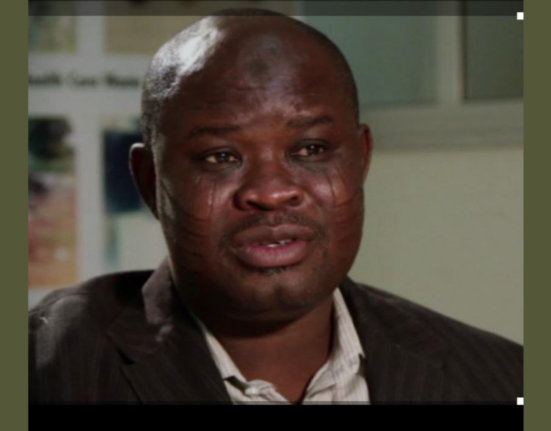
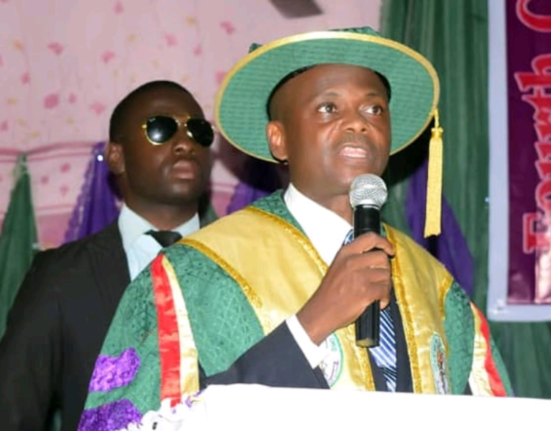
Olawale Ogundiran, a lecturer and clinician based in Ghana, describes the work of these specialists as “the difference between isolation and belonging.” In a recent presentation, he explained that hearing, speech, language, voice and swallowing abilities form the backbone of human connection. When disrupted, the effects spill into education, employment, mental health and overall quality of life.
Across the lifespan, audiologists and speech-language therapists offer much more than clinical tests and therapy sessions. Their work begins with prevention—educating communities on noise exposure and identifying infants at risk.
Early screening and timely intervention, Ogundiran notes, often determine whether a child grows into an independent adult or faces lifelong barriers. In hospitals, speech-language therapists protect patients from aspiration pneumonia by managing swallowing disorders, while audiologists support balance assessment, cognitive health and communication for older adults.
Their roles span research, public education, school support, healthcare administration, and policy advocacy. In many countries, they design early-intervention programmes, supervise student clinicians, manage clinical departments and contribute data that guide national decisions on disability and public health.
However, despite their reach, the professions remain understaffed and under-recognised across regions. This gap leaves millions without essential care.
Ogundiran believes the world’s health systems must “look beyond traditional priorities” and recognise communication and hearing health as central to human wellbeing. As global populations age and disability patterns shift, the quiet work of audiologists and speech-language therapists will be even more critical, not just in treatment rooms, but in shaping inclusive societies.



Leave feedback about this