
Nearly eight in ten Nigerian households (79.2%) cannot afford the recent electricity tariff hike, particularly under the Band A service area, according to a study by the Nigerian Institute of Social and Economic Research (NISER).
The study, presented at NISER’s Research Seminar Series in Ogun State, surveyed 400 households and 45 firms in Lagos and Kano States. Findings showed average monthly household spending on electricity almost doubled—from ₦17,647 to ₦34,942—after the April 2024 tariff adjustment.
Lead researcher Dr Iyabo Olanrele stated that retirees, low-income earners, and female-headed households are the most severely affected. “Electricity is a basic commodity without substitute, but affordability has now become a serious challenge,” she said.
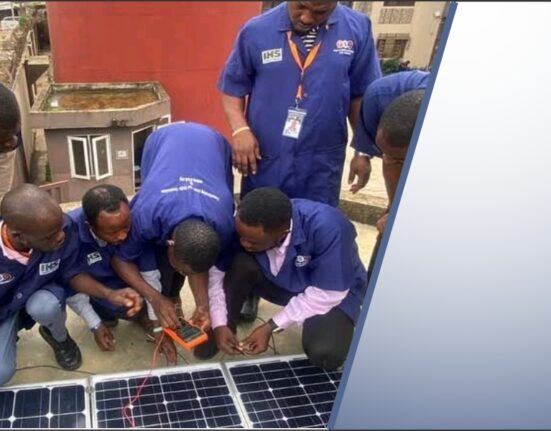
For businesses, costs rose by 92%, forcing many to adopt solar or petrol generators. Average production costs now account for 82% of turnover, increasing inflation risks as firms pass these costs on to consumers.
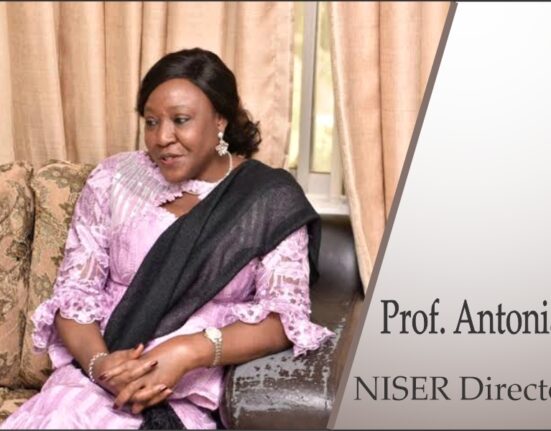
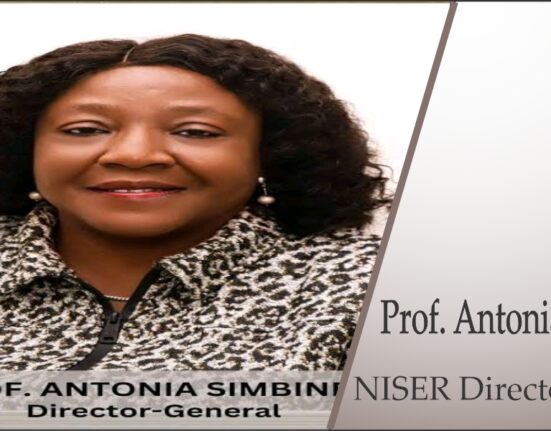
NISER’s Director-General, Prof. Antonia Simbine, urged policymakers to pace reforms and ensure tariff hikes are matched with reliable service. “This is not just about pricing—it is about livelihoods, industrial competitiveness and economic growth,” she said.
The study warned that without reforms balancing cost, service, and affordability, Nigeria’s clean energy transition could stall.



Leave feedback about this