
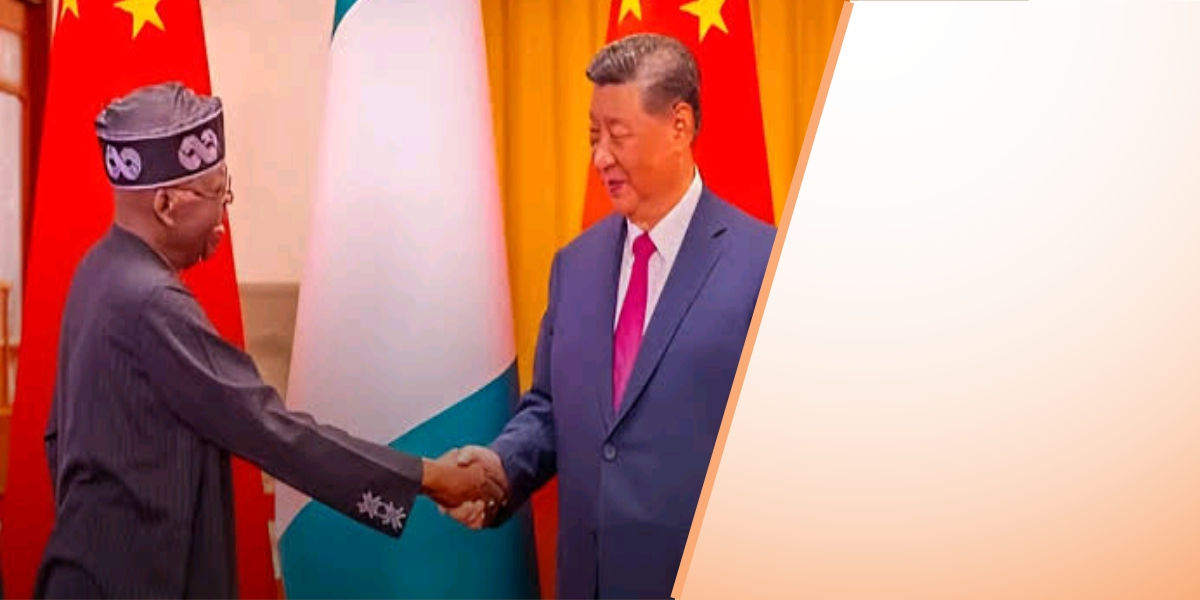
The Nigerian government has recently added Mandarin, the official language of China, to its secondary school curriculum. The decision took effect on September 18, 2025. Moreover, it is part of the ongoing reforms in the educational sector.
According to the government, the decision to teach Mandarin to students is aimed at enhancing cultural exchange, improving international business opportunities, and preparing Nigerian students for global competitiveness. However, while the move sounds promising, questions are already rising about how ready the country is for this new project.
At the Government Secondary School, Nyanya, in Abuja, a new “Chinese Corner” was launched to mark the beginning of the programme. Danlami Hayyo, mandate secretary for education in the FCT, explained that the inclusion of Mandarin was part of a national curriculum review. Just like French and Arabic, Mandarin will now be an optional subject for senior secondary school students.
Nigeria is not alone in this journey. South Africa, Uganda, Tanzania, and Kenya are already teaching Mandarin in their schools, while Ghana and Rwanda are considering similar steps. The big idea is that Africa, as a growing continent, must not be left behind in a world where China is clearly a dominant player in trade, technology, and innovation.
Supporters of the policy see it as a powerful tool for students. Lagos-based teacher, Gift Osikoya, says it is a smart move: “China is one of Nigeria’s biggest trading partners. Students who understand Chinese will be better equipped to participate in business and trade. It also opens doors to scholarships, jobs, and opportunities in science and technology.”
Private schools are already taking the lead. Ronik International Schools in Ejigbo, Lagos, has established a language laboratory equipped with facilities to teach both French and Chinese. According to Adebola Olubanjo, a consultant at the school, “The world is now a global community. Bilingual skills are essential for the next generation.”
Indeed, many believe that learning Mandarin will give Nigerian students a competitive edge in a global job market where multilingual candidates are in high demand.
Nevertheless, not everyone is convinced. Critics argue that, although the idea is sound, the reality on the ground is shaky. For one, there are very few qualified Chinese language teachers in Nigeria. Some public schools have not even started preparing to implement the subject.
School administrator Isaiah Ogundele argues that Mandarin is primarily being introduced by private schools, often as a means to attract more parents and students. “The only foreign language that has truly survived in both public and private schools is French. Others are usually by circumstance,” he said.
Samuel Afolayan, a teacher in Surulere, Lagos, agreed. “We do not have the manpower yet. Just like French, it may take many years before Mandarin becomes real in most schools.”
Still, observers say the move reflects Nigeria’s desire to engage more actively in global affairs. As China deepens its presence in Africa through trade and investment, the ability of Nigerians to speak Mandarin may help bridge communication gaps and strengthen cultural understanding.
For now, the question is not whether Mandarin is useful, but whether Nigeria can overcome the manpower, infrastructure, and funding challenges that stand in the way of making the policy work.




Leave feedback about this