
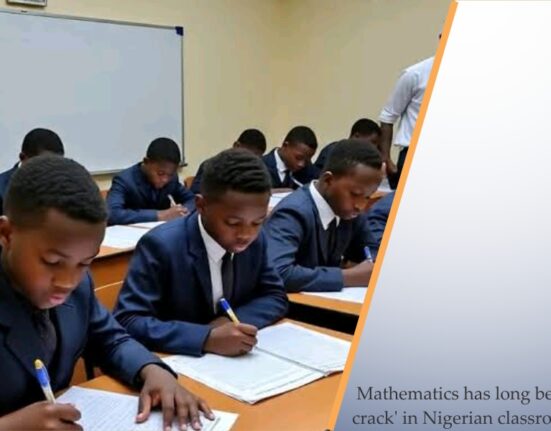
The Federal Ministry of Education has announced that Mathematics will no longer be compulsory for students in the arts and humanities seeking admission into Nigerian universities and polytechnics.
The new rule, part of the Revised National Guidelines for Entry Requirements into Tertiary Institutions, is designed to “remove barriers while maintaining standards.”
Under the new policy, English remains mandatory for all, but Mathematics will only be required for science, technology, and social science courses. The Ministry says the reform aims to expand access to higher education and raise annual admissions from about 700,000 to one million students.
Government’s Vision
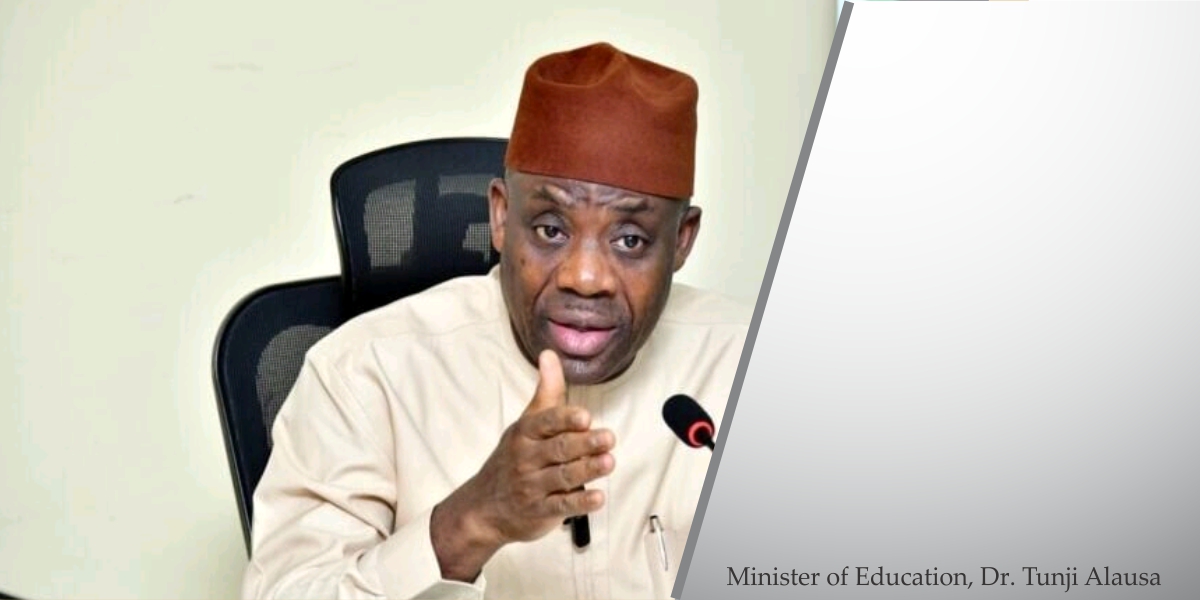
Minister of Education, Dr Tunji Alausa, said the decision reflects the government’s Renewed Hope Agenda.
“Every year, over two million candidates sit for UTME, but only a fraction gain admission. This imbalance is not from lack of ability, but from outdated entry rules,” he said.
Education analyst Ayodamola Oluwatoyin praised the move as “a brilliant reform that will open doors for many young people who want to study what they love.”
Critics Raise Concerns
However, not everyone agrees. Public analyst Tosin Adeoti questioned the wisdom of the reform, arguing that Mathematics builds reasoning skills.
“Mathematics is not just about numbers; it teaches logic and clarity. Removing it may weaken students’ thinking foundation,” he warned.
A teacher in Lagos, Mr Bode Ogundele, shared the same concern. “Even artists need structure and logic. Without maths, students may lose some mental discipline,” he said.
Parents and Students React
For some parents, the change feels like a relief. “My daughter is gifted in literature but struggles with maths. At least now she can go to university,” said Mrs Grace Okon, a parent in Abuja.
A final-year student, Tomi Adebayo, also welcomed the policy. “It means I can focus on what I enjoy without being blocked by maths,” she said.
The Balancing Act
While the policy expands access, experts say its success will depend on how universities maintain quality. As Adeoti put it, “Inclusion without structure is chaos disguised as compassion.”
Nigeria’s challenge now is to make education both inclusive and rigorous—ensuring that opening the door wider does not lower the standard inside.

Leave feedback about this