17 September 2026
Features

Can Nigerian Universities Help Trigger Development Amid Economic Crisis?

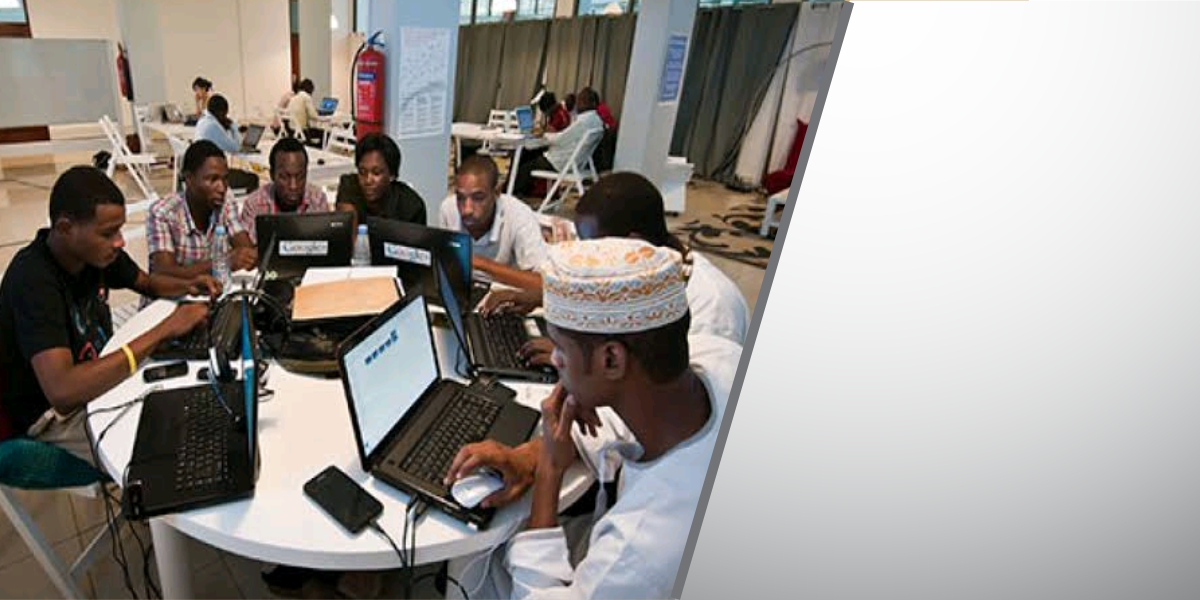
Nigeria’s challenging economic situation has raised a serious question: can the nation’s universities help rebuild the economy, not just produce job seekers? Many education experts believe that Nigerian universities can indeed drive national development — but only if research and innovation are appropriately linked to the country’s real needs.  Universities as Drivers of Growth Across
Read More
Features

Why Nigeria’s Education Reform May Begin with Its Constitution

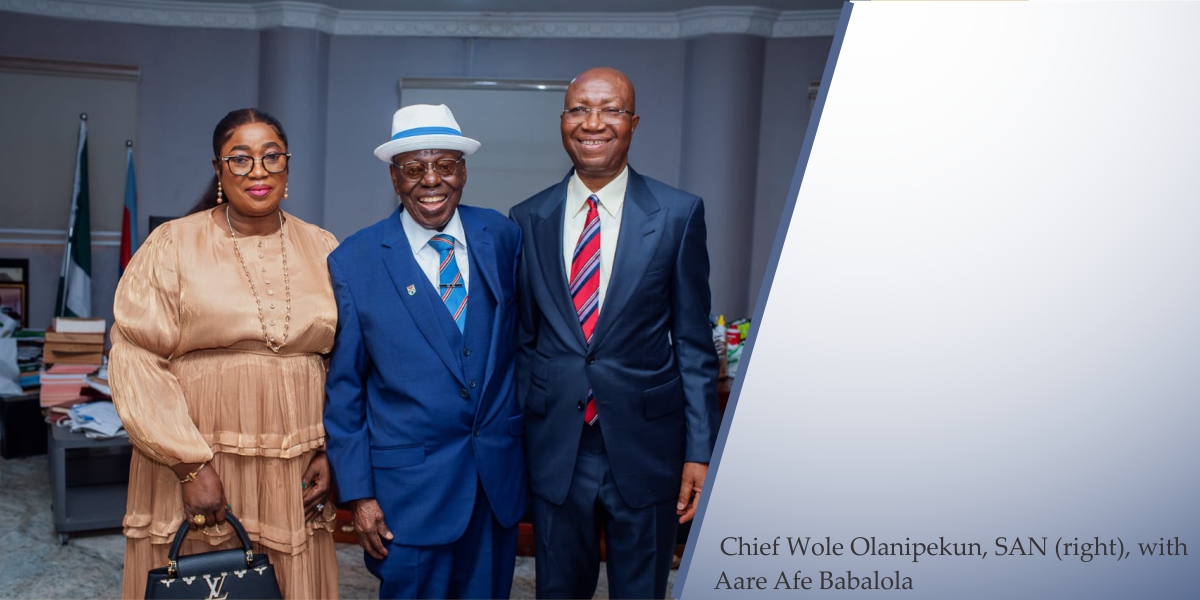
When university students began another two-week wait under the shadow of the latest Academic Staff Union of Universities (ASUU) strike, many Nigerians sighed in resignation: another disruption, another lost semester. But beneath the recurring labour disputes and the decay of the education system lies a deeper fracture — one that prominent jurist Chief Wole Olanipekun,

Read More
Features

The Human Cost of ASUU Strikes on Nigerian Students

For many young Nigerian university students, the recent decision by the Academic Staff Union of Universities (ASUU) to go on strike feels like a bad dream. Sadly, this bad dream may not go away so fast. What the students expected to be years of learning, discovery, and progress has now been interrupted by another strike

Read More
Features

What the Federal Government Crackdown on Dollar Schools Means

The Federal Government’s plan to shut down schools that collect tuition fees in dollars or other foreign currencies has stirred reactions across the country. Many Nigerians see it as a bold and necessary move, while others are asking if the policy can really be enforced. For years, some private and international schools in Nigeria have

Read More
Features

The Forgotten College: How FCE Akoka Became a Symbol of Broken Governance

In years past, the Federal College of Education (Technical), Akoka, stood tall as a respected institution for training teachers and technical experts in Nigeria. Nevertheless, that is no longer the case. What used to be a place of learning has become a symbol of everything wrong with Nigeria’s education system — poor leadership, government neglect,

Read More
Features

Skills Over Degrees: How Nigeria’s Job Market Is Changing

The job market is changing fast, and in Nigeria, the message is getting clearer every day, skills now speak louder than certificates. Employers today want people who can deliver results, not just quote theories. The era when a university degree guaranteed a good job is fast disappearing. These days, what truly matters is what you

Read More
Features

Building the Universities of Tomorrow: Can Africa Seize the Global Shift?

When Phil Baty, Chief Global Affairs Officer at Times Higher Education (THE), said Africa now has “a great opportunity to drive innovation and development,” it sounded like a challenge to the continent’s leaders in education. For the first time, African universities are not just being counted, they are being noticed. According to the 2026 Times

Read More
Features

How Nigerian Universities Are Reclaiming Global Relevance

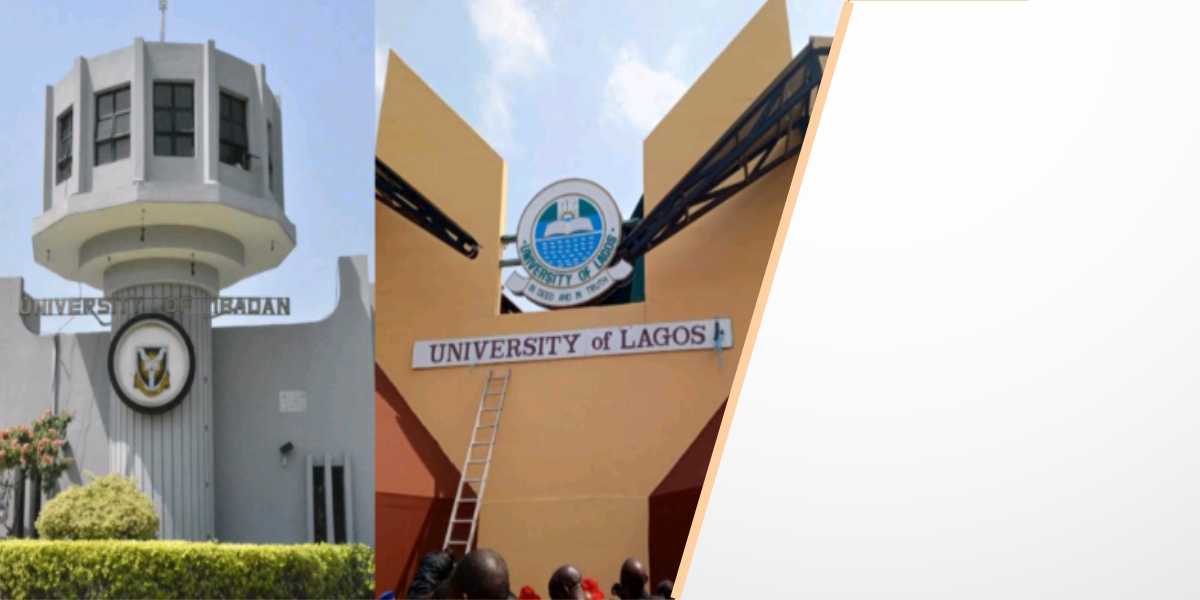
Nigerian universities appear to be gradually regaining the global spotlight after several days in obscurity. The 2026 Times Higher Education (THE) World University Rankings has placed the University of Ibadan (UI) and the University of Lagos (UNILAG) among the world’s top 1,000 universities, marking a significant comeback for Nigeria’s higher education sector. However, that is

Read More
Features

The University Ranking: Nigeria Has the Numbers, South Africa Has the Quality — Here is Why

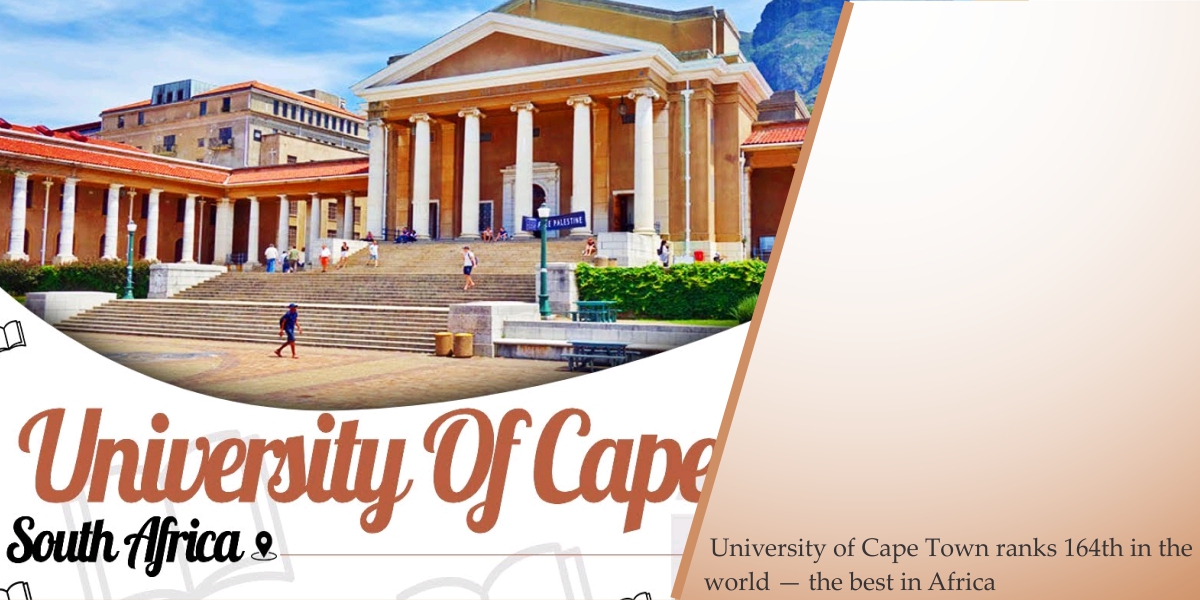
Nigeria may have taken the crown for having the most universities in the 2026 Times Higher Education Sub-Saharan Africa Rankings. However, when it comes to real performance, South Africa is still ahead. The University of Cape Town ranks 164th in the world — the best in Africa — while four other South African universities made

Read More
Features

Why Nigeria’s Universities Struggle to Spend TETFund Allocations

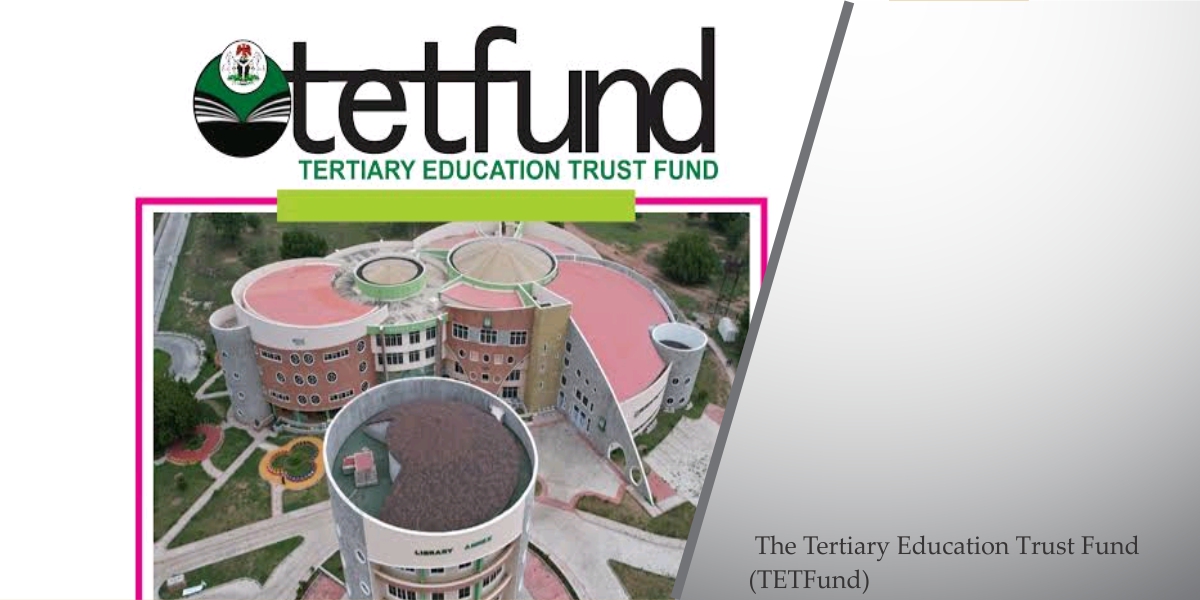
While students in public universities sit in overcrowded lecture halls and lecturers complain about outdated laboratories, billions of naira meant to fix these problems remain untouched in government accounts. This paradox, of underfunded yet underutilised education funding, continues to expose deep cracks in Nigeria’s tertiary education system.  The TETFund Paradox The Tertiary Education Trust Fund

Read More