
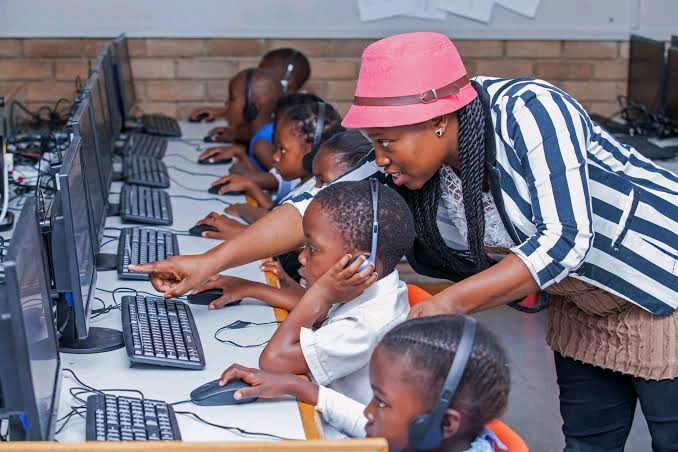
Education experts are urging the Nigerian government to establish language laboratories in primary and secondary schools to enhance students’ foreign language proficiency.
This initiative aims to enhance communication skills, foster cognitive development, and promote academic success, thereby preparing students for global opportunities.
Language laboratories offer practical experience in listening, speaking, and comprehension, reinforcing classroom instruction.
They allow students to practice pronunciation, engage in interactive exercises, and receive immediate feedback, which is crucial for mastering foreign languages.
Despite the National Policy on Education mandating the Teaching of French at primary and junior secondary levels, many Nigerian schools lack the necessary infrastructure and resources, including language laboratories, to implement this policy effectively.
The absence of language laboratories has been linked to students’ poor performance in foreign languages and a lack of interest in subjects like French, Chinese, and Spanish. Educators believe equipping schools with modern language labs will address these challenges and foster a more engaging learning environment.
Furthermore, Nigeria’s geographical position, surrounded by French-speaking countries, underscores the importance of multilingual education. Proficiency in foreign languages, particularly French, is essential for regional integration, diplomacy, and economic collaboration.
The French government has pledged support to enhance language education in Nigeria, aiming to facilitate smoother career paths for Nigerian citizens in international arenas. Implementing language laboratories in schools is seen as a strategic move to align Nigeria’s education system with global standards, ensuring students are well-equipped for the international community’s demands.






Leave feedback about this